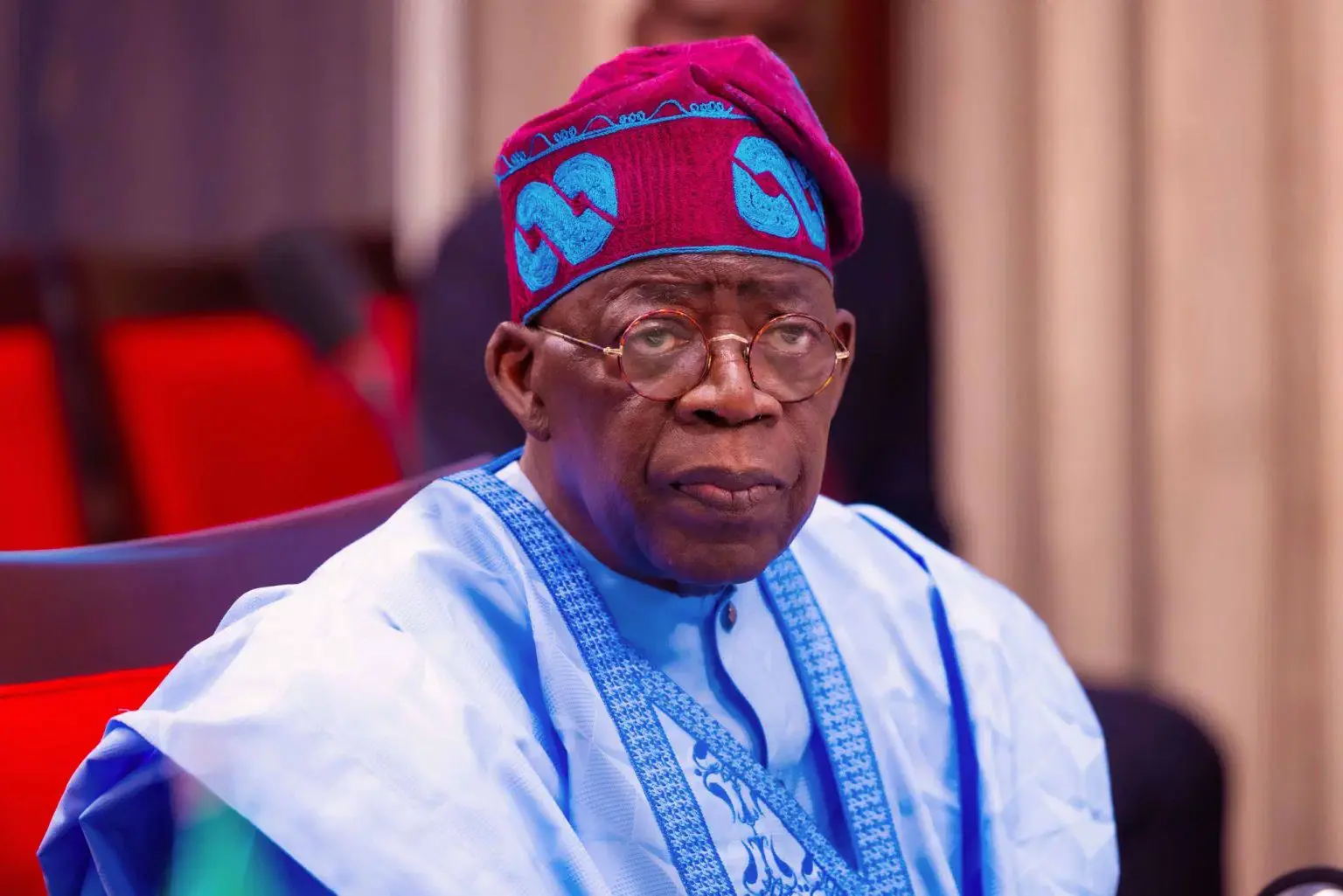
In a strongly worded rebuttal, President Bola Ahmed Tinubu has dismissed claims of religious persecution in Nigeria as false and misleading. Speaking through his Special Adviser on Policy Communication, Daniel Bwala, and other government officials, Tinubu said the nation remains committed to religious tolerance and secular values.
The statement comes amid international pressure, including from the United States Congress and foreign media, accusing Nigeria of targeting Christians in parts of the country. Tinubu’s government argues that many of these reports fail to distinguish between general insecurity — including insurgency, banditry, and communal violence — and deliberate persecution of faith communities.
According to the presidency, since taking office on May 29, 2023, there have been “little to no cases of persecution of Christians anywhere in the country.” The government insists it treats all religious groups equally, with policies and interventions designed to protect citizens regardless of faith.
Critics, however, say that some incidents of violence and displacement in the north and central regions do carry religious overtones, complicating the picture. They argue that while some attacks are clearly rooted in criminal motives (banditry, herding disputes, resource clashes), others may mix religious identity with ethnicity or politics, making it difficult to entirely dismiss the claims of religiously‐motivated violence.
Meanwhile, the government has also called for accuracy in reporting, urging media, civil society, and foreign observers to verify sources and account for the timeline of incidents before drawing conclusions that may inflame tensions.
As Nigeria approaches another period of political scrutiny ahead of 2027 elections, the debate over whether religious persecution is occurring may intensify—both among citizens internally, and in the international arena.

Leave a comment
Your email address will not be published. Required fields are marked *