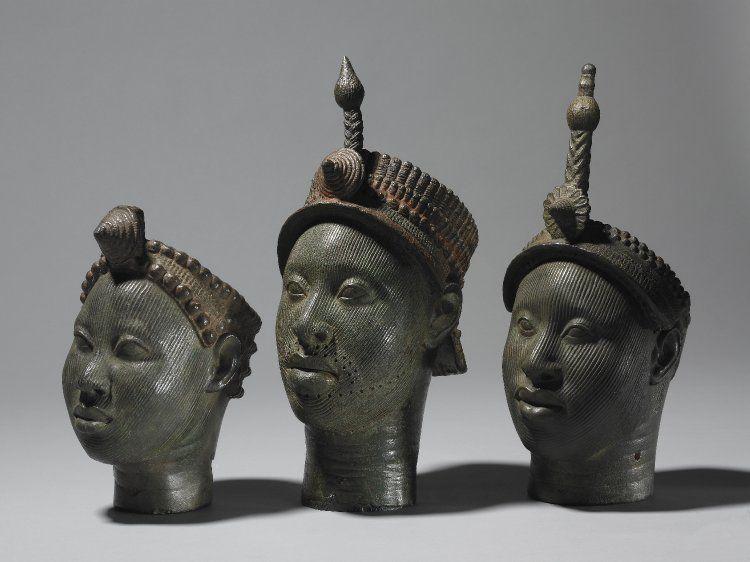
In Yoruba spirituality, Orunmila is not only revered as a deity but also as the great custodian of Ifá knowledge, moral truth, and divine guidance. His teachings are preserved through sacred verses, stories, and oral traditions that continue to shape Yoruba thought and ethics today. Below are ten special traits of Orunmila, enriched with cultural stories that reflect his divine character.
1. Supreme Wisdom Beyond Human Understanding
Orunmila is believed to possess knowledge that surpasses human reasoning. In Ifá tradition, there is a story of a king who gathered all his wise men to solve a crisis in his kingdom—yet none could provide answers. A babalawo was eventually consulted, and through Ifá, Orunmila revealed the hidden cause of the problem. The solution restored peace, showing that his wisdom sees what ordinary eyes cannot.
2. Witness to Destiny (Ẹlẹ́rìí Ìpín)
He is called the witness of destiny because he was present when humans chose their paths before birth. A well-known story tells of two friends who came to earth with different destinies, one destined for wealth and the other for struggle. The struggling one later consulted Ifá and discovered that his destiny required patience and sacrifice before success could manifest. This reflects Orunmila’s deep knowledge of pre-birth choices.
3. Master of Ifá Divination
Orunmila is credited with introducing Ifá divination to humanity. One myth narrates how he descended to earth carrying sixteen palm nuts, teaching early priests how to interpret signs from nature. These became the foundation of Ifá, which today is still used to seek spiritual clarity and direction.
4. Impartial Judge of Truth
He is never biased. A story tells of two farmers who brought a land dispute before the gods. Instead of favoring one, Orunmila instructed them to return at sunrise and perform specific sacrifices. The outcome revealed the rightful owner, teaching that divine justice works beyond human emotion.
5. Patience and Calm Spirit
Orunmila never rushes decisions. In one tale, other deities acted quickly to solve a drought, but their solutions failed. Orunmila advised patience and ritual balance, after which rain eventually returned. This story is often used to teach that haste can block correct outcomes.
6. Moral Integrity and Ethical Living
He represents honesty and uprightness. A young man once tried to deceive others in trade but repeatedly failed until he consulted Ifá. Orunmila warned him that dishonesty disrupts destiny. After he changed his ways, his life improved, reinforcing the belief that morality aligns one with divine order.
7. Protector of Those Who Seek Truth
Those who sincerely seek guidance are never abandoned. A hunter lost in the forest once prayed to Orunmila for direction. Through signs interpreted by a babalawo, he found his way home safely. This tale highlights Orunmila’s protective nature toward sincere seekers.
8. Deep Understanding of Human Nature
Orunmila knows human strengths and weaknesses. In one teaching story, he advised a proud warrior that his downfall would not come from enemies but from arrogance. The warrior ignored the warning and later lost everything due to pride, showing how Orunmila understands inner human flaws.
9. Bridge Between Heaven and Earth
He connects the spiritual and physical worlds. A traditional account describes how Orunmila served as an intermediary when humans could no longer communicate directly with the divine forces. Through Ifá, messages from the unseen realm are still interpreted today.
10. Teacher of Life Philosophy and Proverbs
Orunmila’s wisdom is preserved in thousands of Ifá verses filled with proverbs and moral lessons. One popular teaching says that “no one sees the end of the road at its beginning,” meaning destiny unfolds gradually. These teachings continue to guide behavior, decision-making, and community values.
Orunmila remains a timeless symbol of wisdom, balance, and spiritual clarity. Through stories passed across generations, his traits reveal the importance of patience, truth, and alignment with destiny. In Yoruba tradition, seeking his guidance is not only a spiritual act but also a way of living in harmony with life’s deeper order.

Leave a comment
Your email address will not be published. Required fields are marked *