Osun Ṣẹ̀gẹ̀ṣẹ̀ represents a vibrant expression of identity, tradition, and divine connection. From sacred groves to royal rituals, its legacy continues to shape communities and attract global attention.
1. A Sacred Connection to the River Goddess Osun
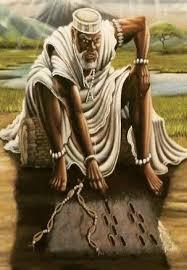
At the heart of Osun Ṣẹ̀gẹ̀ṣẹ̀ lies the worship of Osun, one of the most revered deities in Yoruba cosmology. She is believed to dwell in the sacred river that bears her name, blessing devotees with fertility, prosperity, and healing. This spiritual bond forms the foundation of the tradition.
2. Origins in Ancient Yoruba Civilization
The roots of Osun Ṣẹ̀gẹ̀ṣẹ̀ stretch back centuries to the early formation of the Yoruba kingdoms. Oral traditions recount how the deity guided settlers to fertile lands, particularly in Osogbo, establishing a sacred covenant between the people and the river.
3. Link to the Osun-Osogbo Sacred Grove
The tradition is inseparable from the Osun-Osogbo Sacred Grove, a protected forest sanctuary filled with shrines, sculptures, and spiritual pathways. This grove is one of the last remaining sacred forests in Yoruba land.
4. The Role of Priestesses and the Ataoja
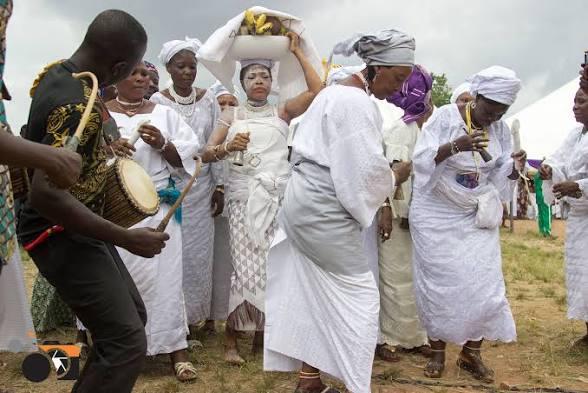
Osun Ṣẹ̀gẹ̀ṣẹ̀ rituals are led by priestesses and the traditional ruler of Osogbo, known as the Ataoja. These figures serve as intermediaries between the people and the goddess, preserving sacred rites passed down through generations.
5. Central to the Osun-Osogbo Festival
The annual Osun-Osogbo Festival is the most visible expression of Osun Ṣẹ̀gẹ̀ṣẹ̀. Thousands gather each year to celebrate, offer sacrifices, and renew their spiritual ties to the goddess.
6. Symbol of Fertility and Womanhood
Osun Ṣẹ̀gẹ̀ṣẹ̀ is especially significant for women, symbolizing fertility, beauty, and nurturing power. Many women visit the river to seek children, marital harmony, or emotional healing.
7. Artistic and Cultural Influence
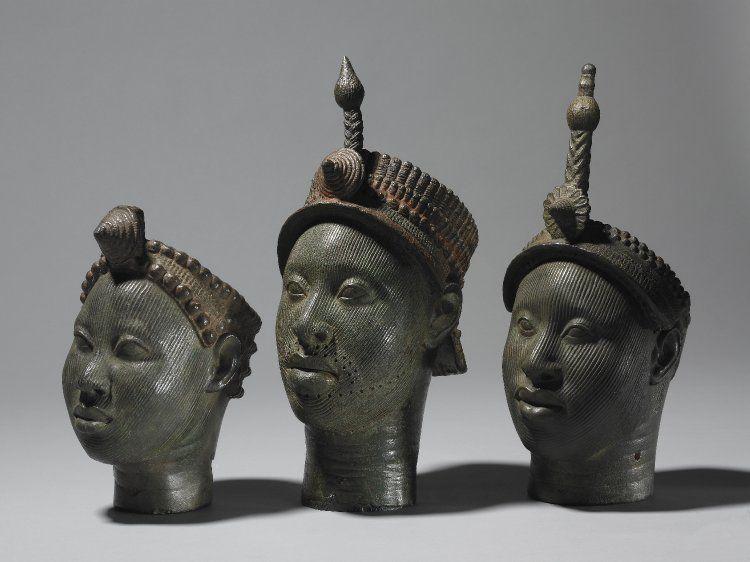
The tradition has inspired a rich legacy of art, including carvings, sculptures, music, and dance. The influence of artists like Susanne Wenger helped revive and preserve the grove’s artistic heritage in the 20th century.
8. A UNESCO-Recognized Heritage
The Osun sacred tradition gained international recognition when the grove was designated a UNESCO World Heritage Site. This elevated Osun Ṣẹ̀gẹ̀ṣẹ̀ from a local spiritual practice to a globally acknowledged cultural treasure.
9. A Blend of Spirituality and Ecology
Osun Ṣẹ̀gẹ̀ṣẹ̀ promotes environmental preservation. The sacred status of the grove protects biodiversity, making it a rare example of how religion can safeguard natural ecosystems.
10. A Living Tradition in Modern Times
Despite modernization, Osun Ṣẹ̀gẹ̀ṣẹ̀ remains vibrant. It continues to adapt while maintaining its core spiritual values, attracting tourists, scholars, and devotees from across the world.
Osun Ṣẹ̀gẹ̀ṣẹ̀ is more than a tradition, it is a living bridge between the past and present, the physical and spiritual. Its enduring legacy reflects the resilience of Yoruba culture and the timeless human desire to connect with the divine through nature, ritual, and community.

Leave a comment
Your email address will not be published. Required fields are marked *