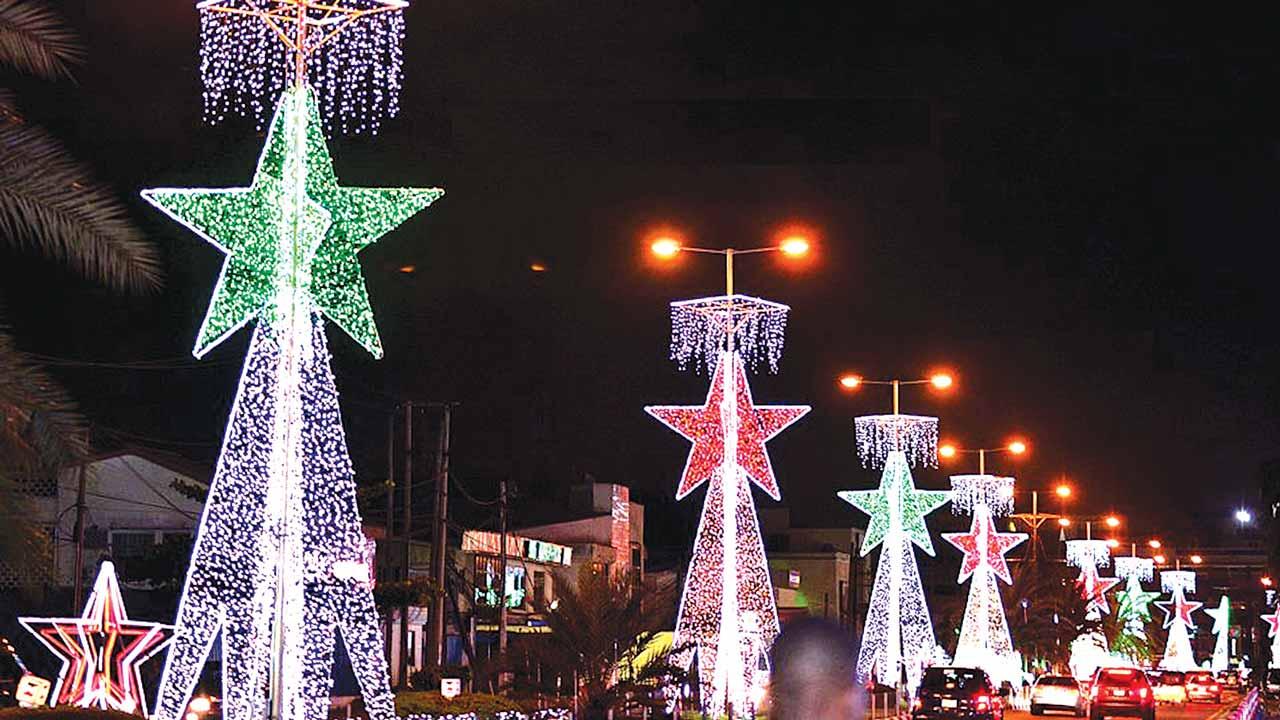
The phenomenon of "Detty December"—a colloquialism describing the intense period of festivity, concerts, and homecoming that characterizes Nigeria’s year-end—has evolved from a mere social trend into a formidable economic season. While Lagos has traditionally served as the epicenter of this activity, drawing the bulk of diaspora remittances and tourist footfall, a broader strategy is emerging across the South West geopolitical zone. State governments and private stakeholders are increasingly positioning the entire region as a cohesive tourism corridor, leveraging improved transport infrastructure and a diverse portfolio of heritage assets to redistribute the "Detty December" windfall beyond the coastal commercial capital. This shift represents a maturation of the domestic tourism market, moving from a singular focus on nightlife to a holistic appreciation of cultural history, eco-tourism, and leisure travel.
Lagos remains the undeniable anchor of this holiday economy. The state’s hospitality sector recorded staggering revenue figures in the previous season, with hotels and short-let apartments contributing over $57 million to the local economy. The sheer volume of events—ranging from high-decibel music festivals like the Greater Lagos Fiesta to curated cultural exhibitions at the John Randle Centre—creates a gravitational pull for the "IJGB" (I Just Got Back) demographic. However, the density of Lagos during this period, characterized by traffic congestion and premium pricing, has created an appetite for alternative experiences. This is where the hinterland states of Ogun, Oyo, Osun, Ondo, and Ekiti are finding their competitive edge, offering accessible, culturally rich, and less chaotic destinations for holidaymakers.
Ogun State, easily accessible via the Lagos-Ibadan standard gauge rail, serves as the immediate secondary market. The state capital, Abeokuta, anchors its offering on the historic Olumo Rock and the Olusegun Obasanjo Presidential Library, a complex that combines archival history with wildlife tourism. The proximity of these sites to Lagos allows for day trips or weekend getaways, effectively expanding the "Detty December" map. Furthermore, the state’s preservation of the Adire market at Itoku provides a direct link to the global demand for indigenous Nigerian textiles, turning cultural heritage into tangible retail commerce for local artisans.
Further inland, Oyo State is revitalizing its status as a historical heavyweight. Ibadan, with its blend of ancient brown roofs and modern developments, offers a distinct tempo of leisure. Sites such as the Agodi Gardens and the University of Ibadan Zoological Garden provide family-centric recreation that contrasts with the adult-focused nightlife of Victoria Island. The state also boasts unique geographical features like the suspended Iyake Lake in Ado Awaye, one of only two such bodies of water in the world. By marketing these assets alongside the convenience of the rail link, Oyo is positioning itself as the cultural soul of the region, appealing to visitors seeking a deeper connection to Yoruba history.
Osun State continues to leverage its spiritual and artistic heritage, anchored by the UNESCO World Heritage status of the Osun-Osogbo Sacred Grove. This site remains a global pilgrimage point, but the state is also diversifying with attractions like the Erin-Ijesa Waterfalls and the Nike Art Gallery in Osogbo. These locations offer an eco-tourism experience that is becoming increasingly popular among younger, adventure-seeking tourists. Similarly, Ondo and Ekiti states are capitalizing on their topography. The Idanre Hills in Ondo and the Ikogosi Warm Springs in Ekiti—where warm and cold springs meet—are prime assets for the growing hiking and nature-retreat market, offering a serene counter-narrative to the frenetic energy of the urban centers.
The economic implications of this regional integration are profound. Former Minister of Works and Housing, Babatunde Fashola, recently noted that diaspora remittances during the December window constitute a significant percentage of national GDP. By spreading this expenditure across six states rather than concentrating it in one, the region fosters more inclusive economic growth. The hospitality sector in secondary cities experiences a surge in occupancy, local transport operators see increased volume, and the arts and crafts sector enjoys a peak sales period. This decentralization of wealth is critical for the balanced development of the South West, reducing the economic disparity between Lagos and its neighbors.
Infrastructural improvements have been the catalyst for this expanded tourism horizon. The safety and reliability of the rail network have removed the psychological barrier of road travel for many returnees accustomed to Western transport standards. Additionally, the proliferation of decent hotel accommodation and improved security on major highways have made multi-state itineraries viable for families. The narrative is shifting from "surviving" a trip upcountry to "enjoying" a tour of the homeland.
Ultimately, the "Detty December" phenomenon in South West Nigeria is reshaping the country's approach to domestic tourism. It serves as a proof of concept that Nigeria’s cultural assets, when accessible and relatively safe, can generate sustainable revenue. As the region continues to refine its offering—blending the high-energy entertainment of Lagos with the serene, historical depth of the hinterland—it establishes a model for how the rest of the country can leverage its own diverse heritage. The festive season is no longer just a party; it is a strategic economic event that validates the potential of the non-oil economy.

Leave a comment
Your email address will not be published. Required fields are marked *