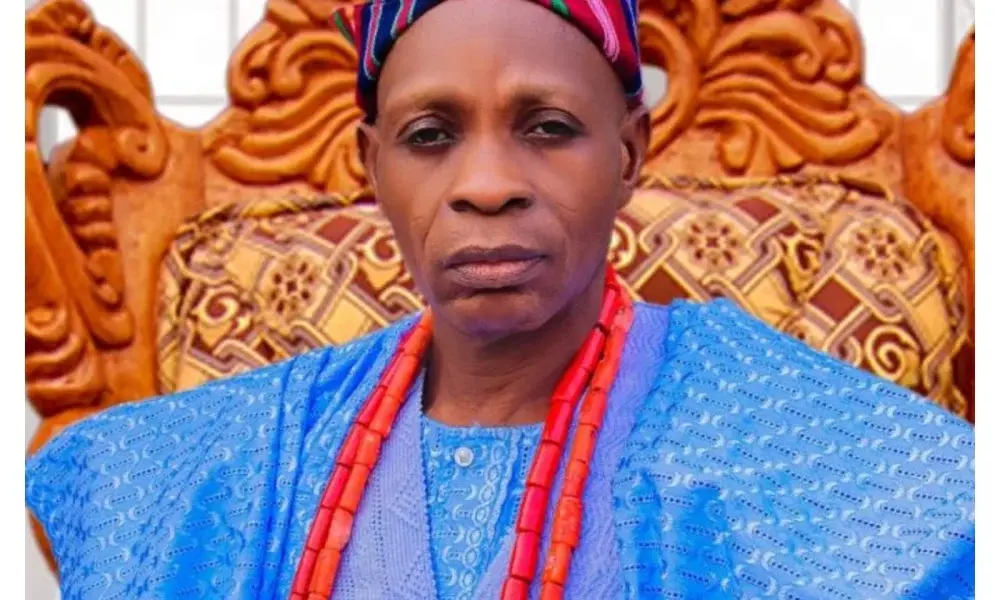
The political standoff between former Ekiti State Governor Ayodele Fayose and Oyo State Governor Seyi Makinde has taken a dramatic turn, with the former demanding the immediate repatriation of federal relief funds to the national treasury. In a statement issued on Thursday, Fayose called on the Oyo State Governor to return the thirty billion naira intervention fund released by the Federal Government for the victims of the January 2024 Bodija explosion. This demand follows the state government's recent admission that the funds have remained domiciled in a state account, unspent, for nearly two years. Fayose argues that if the state administration is unwilling or unable to deploy the resources to aid the suffering victims, the money should be surrendered to the federal authorities who possess the mechanisms to ensure direct and effective distribution.
The former governor’s demand is not limited to the principal sum; he has introduced a stringent fiscal condition requiring the payment of accrued interest. Fayose calculated that keeping thirty billion naira in a commercial bank account for a period of eighteen months would conservatively generate at least 4.5 billion naira at a ten percent interest rate. Consequently, he has insisted that the Oyo State Government must remit a total of no less than 34.5 billion naira to the Federal Government. This calculation serves to highlight what Fayose describes as the opportunity cost of the delay, emphasizing that the funds have likely generated significant yield while the intended beneficiaries continue to languish without adequate support.
Central to Fayose’s argument is the issue of transparency and the alleged concealment of the fund's existence. He criticized Governor Makinde for failing to inform the residents of Oyo State about the receipt of the thirty billion naira—or the outstanding twenty billion naira balance—until forced to do so by public disclosures. The statement described this lack of openness as a breach of public trust, accusing the governor of selectively revealing details of his interactions with President Bola Tinubu to suit a personal narrative while hiding substantial financial interventions. Fayose contends that his initial revelation of the fifty billion naira approval was necessary to expose this "hypocrisy" and ensure that the President’s efforts to aid the state were not obscured by local political maneuvering.
The statement further posits that the Federal Government is better equipped to handle the relief efforts directly. Fayose suggested that since the state government has admitted to keeping the funds idle since early 2024, it has effectively demonstrated a lack of capacity or will to execute the relief mandate. By returning the money, he argues, the Federal Government can bypass state-level bureaucracy and utilize its own emergency response agencies to deliver succor to the victims of the blast. This proposal challenges the efficacy of the state’s current recovery committee and positions the federal administration as the ultimate guarantor of the victims' welfare.
The political undertones of the controversy were laid bare in Fayose's remarks regarding the President's image. He accused the Oyo State Governor of attempting to tarnish the reputation of President Tinubu for "personal ambitions," a charge that links the financial dispute to the broader power struggles within the region’s political landscape. Fayose maintained that if Governor Makinde had been forthright about the federal support from the onset, there would have been no need for the current public spat. The former governor positioned himself as a whistleblower acting in defense of the presidency and the principles of accountability in public office.
This latest development comes against the backdrop of a heated exchange over the actual value of the federal intervention. While Fayose initially alleged that fifty billion naira was disbursed, the Oyo State Government clarified that only thirty billion naira was released, with the remaining twenty billion withheld due to what they termed a refusal to pay "inducements." Fayose’s new statement appears to pivot from the dispute over the total amount to the management of the admitted sum, leveraging the state’s own confession of non-expenditure to strengthen his call for a refund.
The demand for a refund with interest introduces a new legal and ethical dimension to the saga. It raises questions about the financial stewardship of emergency funds and the accountability required when such monies are left unutilized for extended periods. By quantifying the potential interest earnings, Fayose is effectively accusing the state administration of allowing the value of the relief package to erode—or potentially benefitting from the interest—while the victims’ needs remain unmet. This framing places immense pressure on the Oyo State Government to justify the continued retention of the funds.
Ultimately, Fayose’s ultimatum serves as a challenge to the moral authority of the Makinde administration. It seeks to shift the narrative from a debate about federal promises to a critique of state-level implementation. As the controversy continues to dominate headlines, the focus remains on the victims of the Bodija explosion, who are now spectators in a high-stakes political battle over the resources meant to rebuild their lives. The call for the return of the N34.5 billion is expected to provoke a robust response from the Oyo State Government, ensuring that the issue of the relief fund remains at the forefront of public discourse.

Leave a comment
Your email address will not be published. Required fields are marked *