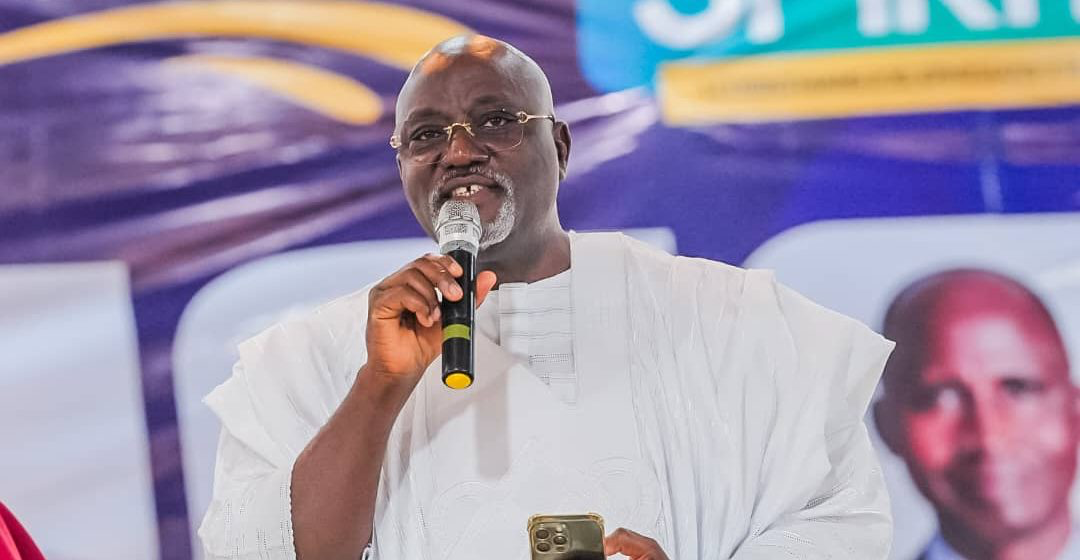
In recent remarks, Taiwo Adisa argues that for Nigeria’s democracy to progress meaningfully, electoral reform must take centre stage ahead of the 2027 general elections. He emphasises that current challenges—such as technology failures, low voter trust, and legal ambiguities in the electoral law—cannot be ignored if the nation is to deliver credible polls and strengthen democratic institutions.
Adisa highlights several inter-linked problems: defective transmission systems, irregular timelines in the Electoral Act, and persistent issues of logistics and security that have weakened past elections. He states that without targeted reforms—and a leadership prepared to implement them—no amount of rhetoric or institutional change at the top will suffice.
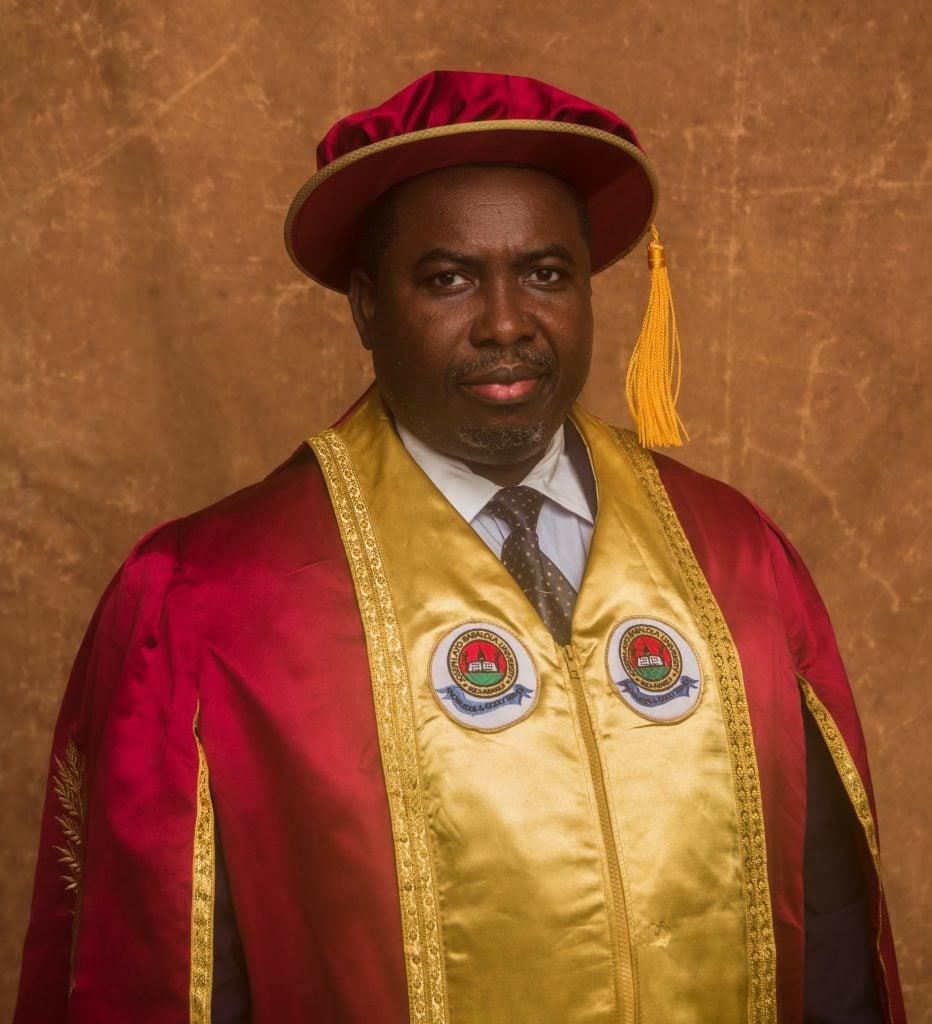
According to Adisa, the appointment of Prof. Amupitan as Chairman of the Independent National Electoral Commission (INEC) presents an opportunity for such reform. He stresses that Amupitan’s background in law and governance gives him the credibility to drive a reform agenda that focuses on technology, stakeholder engagement, audit of past systems, and a recalibration of legal frameworks to eliminate ambiguities.
Among the key reform areas Adisa identifies:
A full audit of the BVAS (Bimodal Voter Accreditation System) and IReV (Results Viewing Portal) systems to restore public confidence.
A review of the Electoral Act’s timelines and provisions that create overlaps, disputes and logistical burdens.
Strengthening the internal mechanisms within INEC—especially an Ethics and Compliance Committee—to hold officials accountable and curb malpractice.
Enhanced civic-education efforts to deepen public understanding of election processes and empower voters.
Improved logistics and security coordination to ensure election materials reach all locations, including remote and high-risk areas.
Adisa warns that reform is not about technical fixes alone: it’s about the political will to enforce fairness, transparency and impartiality. He says Nigeria must move from a cycle of post-election litigation and distrust to one of pre-election readiness and public acceptance. “The winner will not be simply the one who campaigns hardest—he will be the one who stands on a system trusted by the people,” he notes.
He concludes by urging civil society, political parties and media organisations to support the reform process, monitor progress, and hold institutions accountable—not just before elections but every day in between.

Leave a comment
Your email address will not be published. Required fields are marked *