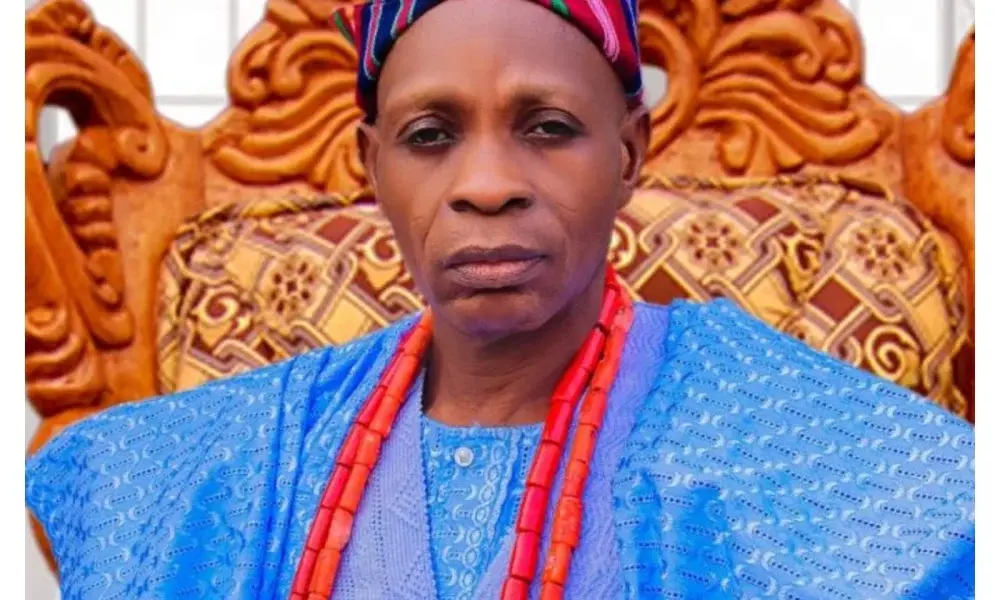
In a dramatic escalation of the leadership crisis within the Peoples Democratic Party (PDP), former Senator Mao Ohuabunwa has been elected as the new Chairman of the party’s Board of Trustees (BoT) by one of its contending factions. The move occurred after a meeting convened in Abuja, where the faction declared the dissolution of the previous BoT leadership and ratified Ohuabunwa’s ascension.
The decision follows the factional Acting National Chairman’s announcement that the previous Chairman and Secretary of the BoT were removed for allegedly undermining neutrality and the party’s constitution. According to the faction, the previous BoT leadership had lost its moral compass and strayed from the values that originally defined the party’s governance structures.
At the inauguration, the faction also appointed Isah Dansidi as Secretary of the BoT. The newly constituted board issued a communiqué outlining its commitment to justice, equity, progress and respect for judicial authority within the party’s internal processes. It reaffirmed that the party remains a united and indivisible family, in spite of factional divides.
Key among the resolutions was a call to respect the recent ruling of the Federal High Court, which placed constraints on the timing of the party’s national convention. The new board emphasised that all organs of the party must comply with court orders and internal constitutional provisions before proceeding with major events.
Observers note that Ohuabunwa’s emergence reflects the intensity of the power struggle within the PDP, where competing blocs are vying for control ahead of the next national convention and the 2027 electoral cycle. The split highlights deep-seated structural and leadership issues within the party that have persisted despite repeated reform efforts.
Critics argue that the faction’s action—appointing its own BoT leadership—risks further fragmenting the party and undermining its credibility among voters. The move may complicate efforts to project unity and could alienate grassroots members and stakeholders who are already fatigued by internal disputes.
For Ohuabunwa, the role offers an opportunity to influence internal decision-making and shape the party’s trajectory. Yet the challenge ahead is significant: reconciling warring factions, asserting legitimacy across the party’s national apparatus, and restoring confidence among citizens who expect coherent opposition.
As the party moves forward, the overriding question remains: will this change in leadership translate into effective reform, or will it deepen division and weaken the party’s readiness for future elections? The answer will likely determine the PDP’s ability to hold together as a credible force in Nigerian politics.

Leave a comment
Your email address will not be published. Required fields are marked *