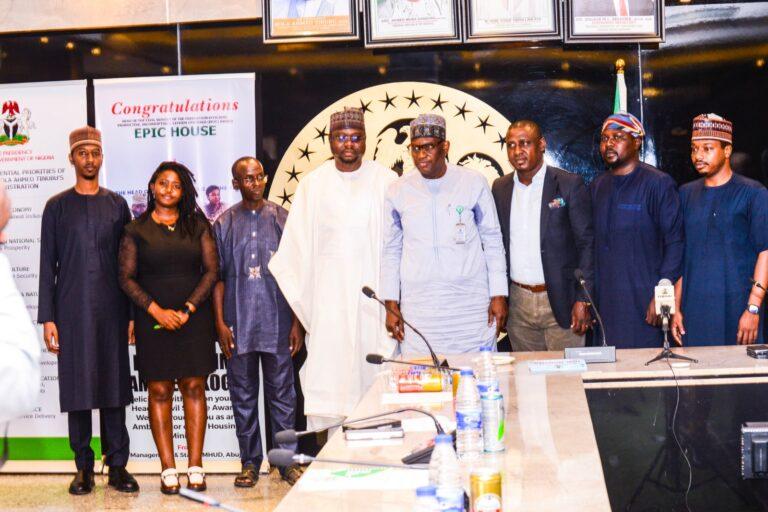
The initiative, known as the National Artisan Skills Acquisition Programme (NASAP), is being implemented in partnership with Polaris Capital Limited, following the signing of a Memorandum of Understanding (MoU) on Tuesday. Funding will come from federal budget allocations, private sector investments, and donor contributions.
A key feature of the programme is a digital booking and verification platform that will link artisans directly to job opportunities while also generating revenue to sustain the initiative beyond the MoU period.
The Permanent Secretary of the Ministry of Housing and Urban Development, Dr. Shuaib Belgore, signed the agreement on behalf of the Ministry, while Polaris Capital Limited was represented by its CEO, Kelvin Vihishima.
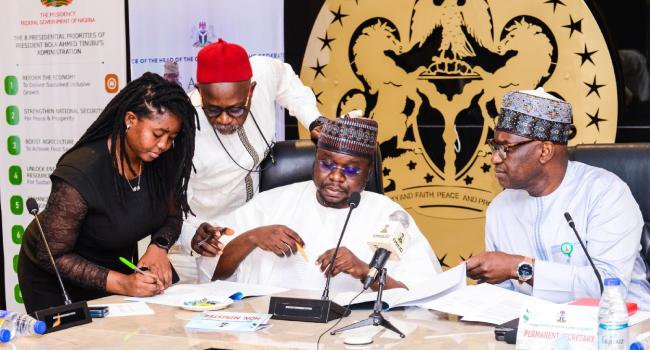
According to a statement from the Ministry, the project marks a significant step toward bridging the skills gap in Nigeria’s housing and construction industry. Dr. Belgore noted that NASAP is designed to modernise the nation’s construction workforce, boost technical capacity, create sustainable jobs for youths and artisans, and promote inclusivity by involving women and persons with disabilities.
The training will cover a wide range of trades, including bricklaying, masonry, plumbing, electrical installations, carpentry, painting, welding, tiling, POP and screeding, upholstery, as well as air conditioning and refrigeration.
While the pilot states and start date are yet to be announced, the Ministry confirmed that the rollout will take place in three phases:
2025: A six-month pilot programme for 3,000 artisans in three states.
2026: Nationwide expansion to reach more participants.
2027: Establishment of Regional Centres of Excellence.

Vihishima described the partnership as a vital step in reducing unemployment, professionalising artisanship, and tackling quackery in the construction sector by ensuring a steady supply of certified skilled workers.
The Ministry stressed that the programme underscores its commitment to skills development, job creation, and sustainable urban development, with accountability and long-term economic growth at its core.
Leave a comment
Your email address will not be published. Required fields are marked *