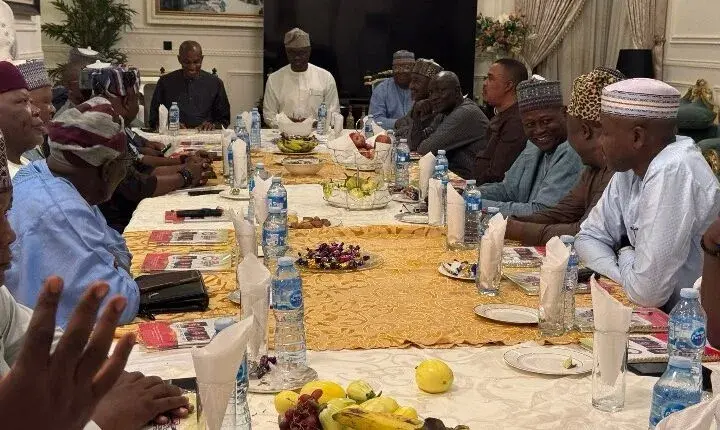
Governor Seyi Makinde of Oyo State convened a significant meeting in Abuja with a gathering of state chairmen from the Peoples Democratic Party (PDP), amid growing signs of internal strife and crisis within the party. The session was intended to address deepening factionalism, procedural disputes and concerns about the party’s direction ahead of its national convention and forthcoming electoral cycle.
At the meeting, Makinde emphasised the need for internal discipline, clarity of process and organisational coherence. He underscored that the PDP’s credibility depends not just on electoral success, but on how it conducts itself internally: how decisions are made, how leadership is selected and how members are engaged. His remarks reflect heightened anxiety within the party about its leadership vacuum and the ripple effect of unresolved rifts.
Participants reported that Makinde challenged the chairmen to consider the long-term implications of the crisis. He noted that internal division could erode grassroots structures, reduce public confidence and compromise the party’s ability to mobilise effectively. He reminded stakeholders that the party’s strength at state and local levels underpins its national prospects.
Issues flagged during the meeting include disagreements over zoning of key leadership posts, the timing and logistics of the national convention, and reports of parallel power centres emerging within the party. Some state chairmen are reportedly torn between allegiances to differing factions, which has complicated efforts to present a unified front. Makinde reportedly urged them to set aside personal interests in favour of party unity and serve the collective good.
According to sources at the meeting, Makinde expressed concern that unless these tensions are addressed promptly, the party risks both internal collapse and electoral setbacks. He is said to have called for a roadmap for reconciliation, including transparent communication, stakeholder engagement and clearly defined roles for state chapters in the forthcoming convention.
Observers say this meeting marks a shift: from passive hope for resolution to active intervention by prominent governors. Makinde’s participation signals that the crisis has reached a level that demands senior leadership attention. The outcome, however, remains uncertain: whether the interventions will translate into durable calm or merely postpone further conflict.
Critics within the party argue that the underlying issues go deeper than personnel selection or timing of events. They cite structural weaknesses in party governance, lack of accountability and simmering dissatisfaction among party operatives. Unless these root problems are addressed, meetings and declarations may provide only temporary relief rather than lasting stability.
Going forward, the key test will be follow-through. Will the chairmen implement the commitments made in Abuja? Will there be accountability for actions and visible changes in how the party handles internal disputes? Will grassroots members see real inclusion or continue to feel marginalised? The answers may determine how well the PDP recovers from its current crisis.
In the end, this meeting—and Makinde’s role in it—underscores the urgency of managing party unity ahead of critical national junctures. For the PDP to move forward credibly, it must not only reunite its leadership but rebuild trust with its wider membership and the public. The stakes are high and the margin for error is shrinking.

Leave a comment
Your email address will not be published. Required fields are marked *