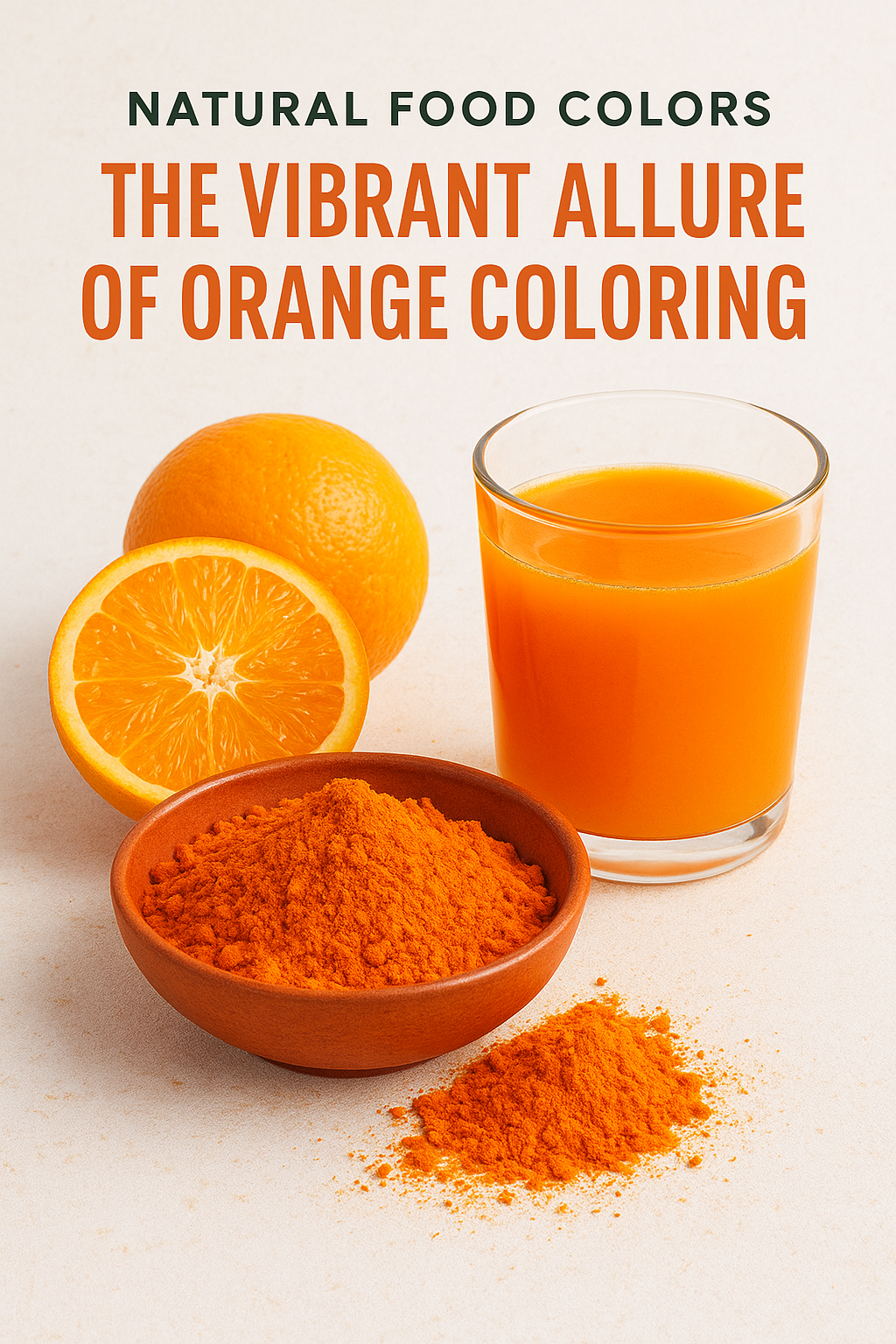
Color in food goes beyond appearance,it shapes perception, sets taste expectations, and influences buying decisions. As the food industry moves toward clean-label and natural alternatives, there's a growing demand for plant-based, safe, and sustainable color options. Among the most eye-catching is orange food coloring, a naturally derived pigment that brings warmth and vibrancy to a wide array of products.
From Synthetic to Natural: A Shift in Color Strategy
For years, synthetic dyes were favored for their affordability and stability. However, rising health concerns and consumer demand for transparency have prompted manufacturers to replace artificial additives with natural colorants sourced from fruits, vegetables, and spices. These alternatives not only beautify food but also reinforce a connection to nature, promoting a sense of wholesomeness.
The Allure of Orange
Orange tones are linked to energy, freshness, and vitality. Whether in a fizzy orange soda or a slice of cheddar, this color sparks instant positivity. Natural orange coloring offers this vibrant appeal without the downsides of synthetic dyes.
Common Natural Sources of Orange Pigments:
- Annatto – Extracted from achiote seeds; offers yellow to deep orange hues.
- Paprika Oleoresin – Sourced from red peppers; gives warm orange to reddish tones.
- Carotenoids – Found in carrots, pumpkins, and sweet potatoes; adds rich color and nutritional value.
Where Orange Food Coloring Shines
Natural orange colorants are used across multiple categories:
- Dairy – Cheese, butter, ice cream, flavored milk
- Bakery – Cakes, cookies, icings
- Snacks – Chips, popcorn, extruded products
- Beverages – Juices, sodas, energy drinks
- Condiments – Soups, dressings, marinades
Its versatility and brightness make it a go-to choice for food brands globally.
Why Choose Natural Orange?
- Clean Label Appeal – Recognizable ingredients like annatto and paprika build consumer trust
- Nutritional Benefits – Carotenoids serve as antioxidants, supporting wellness
- Cultural & Sensory Relevance – Orange signifies celebration and appetite appeal across cuisines
- Stability – Certain extracts perform well under heat and light, especially in processed foods
Challenges to Consider
Despite its many advantages, using natural orange coloring isn’t without challenges:
- pH Sensitivity – Some pigments may change under acidic or alkaline conditions
- Flavor Carryover – Paprika may introduce a mild peppery note
- Processing Effects – High heat or long storage can reduce color intensity
Food technologists often address these issues with advanced techniques like pigment blending, encapsulation, or controlled processing environments.
Looking Ahead
As plant-based and clean-label trends continue, natural orange food coloring is set to play an even larger role. Its inviting color, nutritional potential, and growing consumer appeal ensure its place in both traditional and innovative product formulations. Advancements in extraction and stabilization promise even more vibrant, shelf-stable, and cost-effective solutions rooted in nature and aligned with consumer values.
Final Thoughts
The rise of natural food colors reflects a deeper demand for transparency, wellness, and authenticity. Orange coloring derived from trusted sources like annatto, paprika, and carotenoids—perfectly embodies these values. It's more than just a splash of color; it’s a vibrant reminder that food can be both beautiful and better for you.
Leave a comment
Your email address will not be published. Required fields are marked *