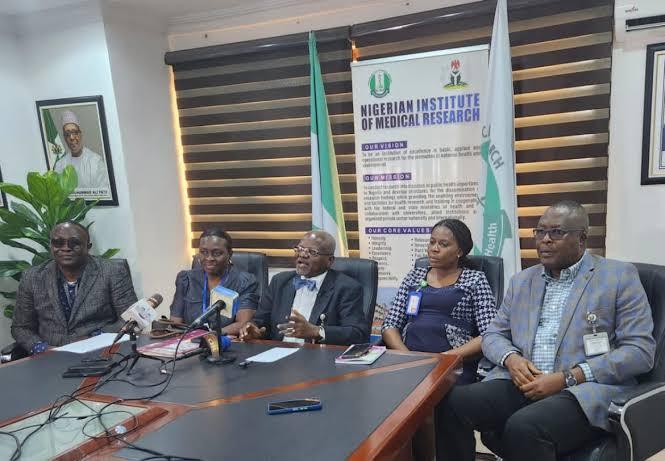
The Nigerian Institute of Medical Research (NIMR), located in Yaba, Lagos, has voiced significant concern regarding the high electricity bills imposed by the Eko Electricity Distribution Company (EKDC). During the institute’s monthly media briefing on Tuesday, Director-General Professor John Obafunwa, a specialist in forensic pathology, expressed that these exorbitant charges are placing a financial strain on the institution.
Obafunwa stated, “Our monthly bill from EKDC is unmanageable as an institute.” He provided a troubling overview of past electricity expenses: N49 million in August, N48 million in September, N44 million in October, N34 million in November, and N43 million in December. Such substantial expenses, categorized under the newly introduced “Band A” tariff, are simply unsustainable for the institute.
Highlighting the significance of NIMR's work, Obafunwa emphasized that the institute is a federal government-owned entity that plays a crucial role in addressing health and medical issues impacting all Nigerians. He stressed the necessity for a consistent electricity supply, particularly because many laboratory operations are temperature-sensitive. He warned, “A power shutdown in our labs due to our inability to pay would not only undermine our efforts but also incur greater costs for the country.”
To mitigate the electricity billing issue, Obafunwa called on EKDC to install pre-paid meters, which would allow the institute to more accurately track its energy consumption and regulate usage across various departments and staff quarters. He also reached out to the government, corporate bodies, and individuals for support, emphasizing the need for assistance in electricity supply, infrastructure, research activities, and capacity-building initiatives.
Earlier in the briefing, Professor Rose Audu, the director of research and a virology expert at NIMR, elaborated on the institute's contributions to public health. She leads a research team focusing on emerging and re-emerging viral diseases, including Viral Hemorrhagic Fevers (VHFs) such as Lassa Fever, Dengue Fever, Yellow Fever, Zika virus, and Chikungunya.
Audu highlighted the rising prevalence of infectious diseases in Nigeria and globally, underscoring the importance of understanding their emergence, transmission, and impact on human health. This knowledge is essential for guiding public health decisions and enhancing diagnostic, treatment, and prevention efforts.
She pointed out that given the interconnectedness of today’s world, robust surveillance measures are necessary to prevent the spread of VHFs. Additionally, Audu addressed the need for Nigeria to enhance its surveillance of travelers, especially at border crossings, and to improve diagnostics, vaccine development, treatment options, and capacity building, along with funding for in-house serology kits.
Audu concluded by stating that these efforts are vital for improving NIMR’s service delivery, addressing the health concerns of Nigerians, and ultimately bolstering the country's economic productivity.
Leave a comment
Your email address will not be published. Required fields are marked *