
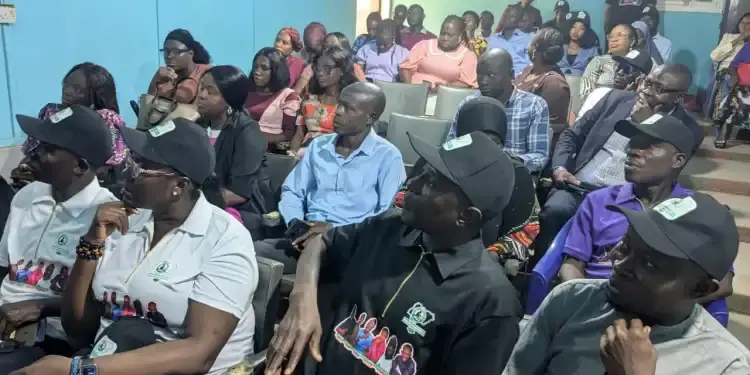
Veteran journalist Raji Adebayo has again placed fairness at the heart of his campaign for the chairmanship of the Nigeria Union of Journalists (NUJ) State Council. Addressing members of the Information Chapel, he affirmed his commitment to equal treatment and promised that no member will be deprived of their rights under his leadership.
In his remarks, Adebayo emphasised that his vision goes beyond winning an election – it is to rebuild trust within the union, strengthen member welfare and restore full functionality to the union’s healthcare centre. “Every member will have equal rights and opportunities,” he declared, adding that his leadership would adopt an open-door policy and clear accountability.
Highlighting his previous service as Chairman of the Correspondents’ Chapel, Adebayo recalled that during his tenure he introduced welfare packages for journalists during major festive periods. He pledged to expand those initiatives to include regular training, re-training, and partnerships with educational institutions for members who lack formal journalism qualifications.
A key fundraising and welfare reform promise is the revival of the moribund health-care centre at the NUJ Secretariat. Adebayo said he has already held talks with non-governmental organisations to partner in the restoration of the facility, as part of his broader plan to invest in the union’s non-political assets for long-term benefit of its members.
He also reassured fellow contestants and stakeholders that his campaign is not about shutting others out. “After the election I will rally around all other contestants to ensure we are united,” he said. This pledge follows concerns within the union about factionalism, unequal treatment of aspirants, and possible sidelining of younger journalists.
By stressing transparency and accountability as his watchwords, Adebayo seeks to counter a prevailing narrative that union leadership is often opaque and favouritist. He used his campaign visit to the Ministry of Information in the state to reinforce that commitment and to seek broader collaboration for the union’s future.
Observers note that this election cycle comes at a critical time for the union: with the media landscape rapidly evolving, members face increasing pressure on welfare, training, and professional standards. The promise of inclusive leadership may therefore resonate strongly among journalists who feel under-represented or overlooked.
However, the real test for Adebayo’s rhetoric will lie in implementation. Members will be watching closely: how he engages with critics, how he handles budgets and welfare contracts, whether training programmes materialise, and whether the union holds itself accountable once the election dust settles. If he succeeds, he may set a new tone for NUJ governance; if not, expectations may become another source of disappointment.

Leave a comment
Your email address will not be published. Required fields are marked *

