
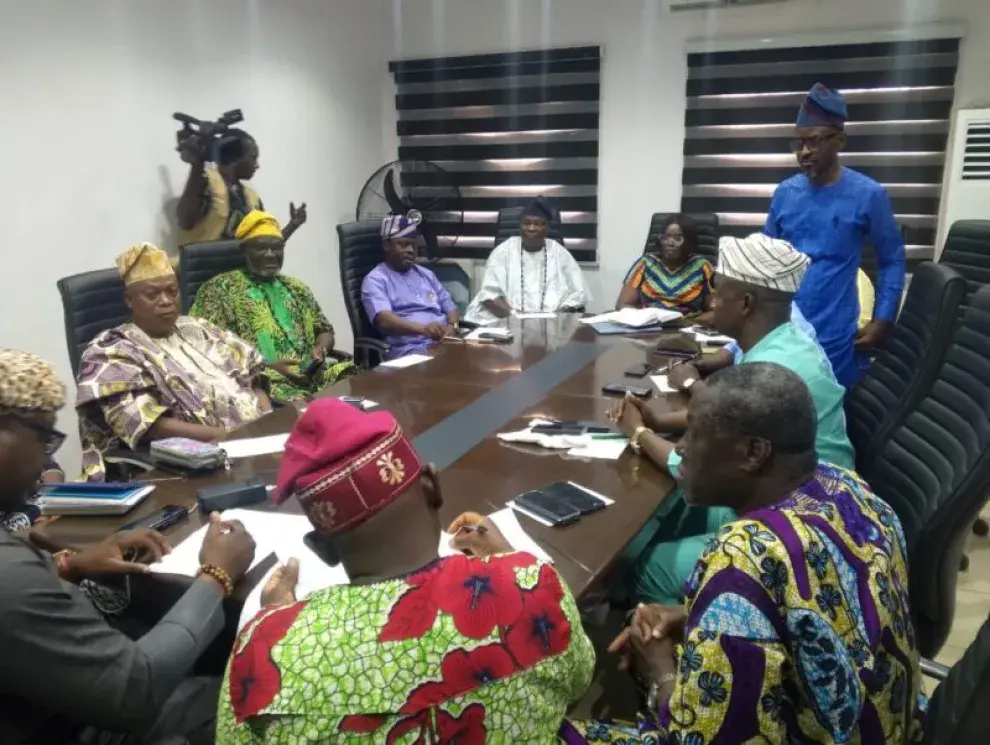
The Oyo State Government has established a dedicated committee tasked with addressing property issues arising from the ongoing Ibadan Circular Road project — a major infrastructure initiative facing strong resistance from residents worried about demolition, displacement, and inadequate compensation. The announcement was made in light of recent protests and growing public pressure to safeguard the rights of affected homeowners and tenants.
According to the state, the committee will oversee verification of affected properties, manage transparent compensation processes, and ensure proper engagement with property owners whose buildings fall within the road’s corridor. The move aims to address previous lapses that fuelled distrust and concern among residents, especially over abrupt demolitions and conflicting statements about setback limits.
Property owners across several local government areas — including Oluyole, Egbeda, Akinyele, Ido, Lagelu and Ona-Ara — had recently staged demonstrations, accusing the government of extending the corridor beyond the originally gazetted limit and carrying out demolitions without fair consultation or compensation. The protesters described some of the actions as unjust, alleging that the extension of the corridor threatened thousands of homes and displaced many families.
The committee’s mandate includes physically enumerating impacted structures, cross-checking ownership documents, and expediently processing compensation payments for verified claimants. Authorities have pledged to base compensation on official valuations and to disburse funds in batches until all eligible owners are covered — signaling a shift toward a more orderly and humane approach.
Government officials also announced that communities will be engaged in structured town-hall meetings to voice concerns, request clarifications, and present alternative propositions regarding relocation or resettlement. This participatory approach is projected to foster dialogue and rebuild trust between residents and the state.
Stakeholders have welcomed the initiative — describing it as a timely corrective step. Many had criticized past demolitions for being abrupt, uncoordinated and lacking clarity. The committee’s formation, they believe, could provide the transparency and fairness needed to reconcile infrastructure development goals with property rights and community welfare.
Still, residents and civil society groups have warned that success depends on genuine implementation and respect for due process. They stressed that repeated assurances must translate into fair treatment, prompt compensation, and protection of vulnerable households — or risk further social tension and loss of public confidence.
As the committee begins its work, all eyes are on whether the government can balance urban development ambitions with the welfare of citizens. The coming weeks will test the state’s commitment to fairness, transparent governance, and respect for property rights in one of its most controversial infrastructure projects.

Leave a comment
Your email address will not be published. Required fields are marked *

