
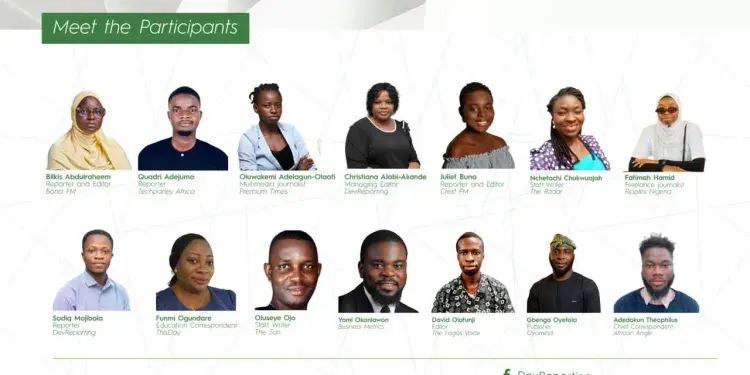
In Oyo State, a media professional affiliated with the local publication OYOMIND has been selected, along with thirteen other journalists, for a sector-specific journalism grant scheme focusing on gender-responsive education. The initiative—organised by DevReporting in partnership with a supporting fund—calls for in-depth and multimedia story pitches that explore how educational financing, policy formulation and implementation in the state account for gender equity and access.
The journalists chosen will cover themes such as gender-responsive budgeting in education, barriers facing girls in schooling (including early pregnancy, poverty, lack of WASH facilities, infrastructure deficits), and citizen participation in monitoring and planning. The grant aims to catalyse investigative and analytical pieces that highlight where plans succeed or fall short in delivering education for all, especially girls.
Selection criteria for the scheme required prospective applicants to demonstrate both a relevant story idea and a methodology for multimedia production—such as audio-visual elements, data visualisation or interactive formats. The programme emphasises accountability in education service delivery and seeks to build capacity among local media to hold institutions responsible for gender‐equitable outcomes.
For the Oyo State journalist selected, this opportunity allows for deeper engagement with systemic issues in the state’s education sector. Among these are questions about whether state education plans integrate gender-analysis, how much funding reaches frontline schools, and what mechanisms exist to ensure that girls are not left behind. The grant offers resources, time and platform access to pursue such investigations.
The broader context in Oyo State is significant: while there have been initiatives aimed at reducing gender disparity in schooling, analysts note persistent gaps in gender-specific interventions, teacher training in gender-responsive pedagogy, and the monitoring of girls’ retention and completion. This media initiative is timely, as it aligns with national and global calls to make education systems more inclusive, responsive and equitable.
For the selected cohort of journalists, the expectation is that their stories will not remain as isolated pieces but feed into public discourse, policy review and community engagement. By producing evidence-based journalism, they can spark conversations about how budgets are set, how schools are managed, how traditional and structural barriers operate and how girls and boys can equally benefit from educational resources.
As the programme rolls out, local stakeholders—education authorities, civil society organisations, school management committees and communities—will be watching how the selected media practitioners use their platform. The goal is to deepen transparency, strengthen advocacy and highlight both success stories and obstacles in achieving gender-inclusive education in Oyo State and beyond.

Leave a comment
Your email address will not be published. Required fields are marked *

