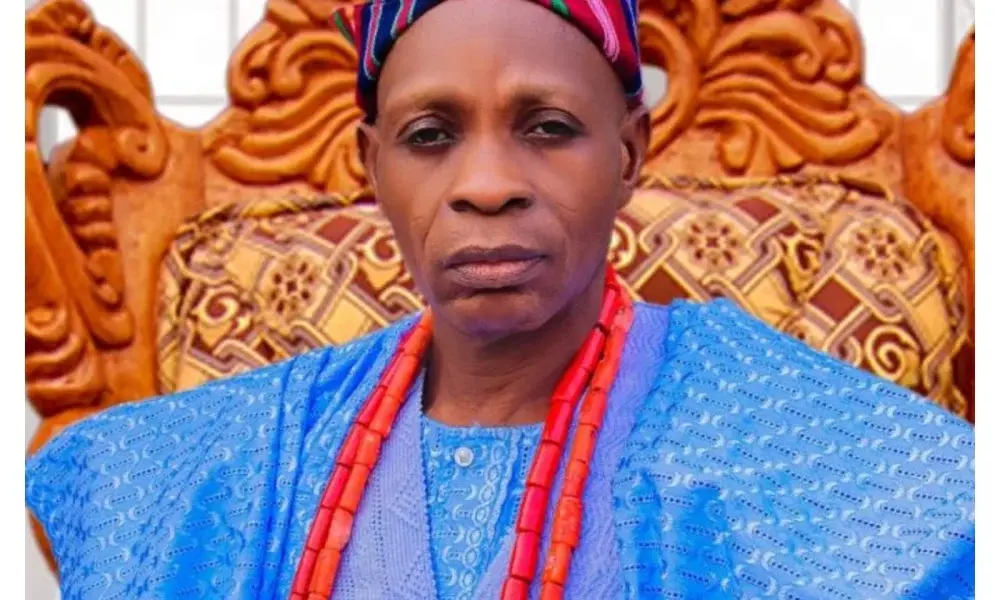
In Ogbomoso North Local Government Area of Oyo State, the death of a teacher has sparked public concern and debate after reports emerged suggesting the incident was linked to a confrontation with students. The deceased, Mr. Fatai Adegoke, aged 57, was a teacher at Soun High School and was reported to have collapsed following an altercation with students playing cards in a classroom during teaching hours.
According to accounts, the teacher observed a group of students engaging in gambling at the back of a classroom and intervened. When he attempted to discipline them, one of the students resisted, allegedly blocking his efforts to cane the students. Shortly afterwards the teacher complained of pain, visited hospital for treatment, and later died. The Nigeria Union of Teachers (NUT) in Ogbomoso zone released a statement describing the event as the teacher having been “bitten mercilessly by students”, and claimed he sustained a broken arm and leg.
However, further investigation revealed a more nuanced picture. The school principal told local press that Mr Adegoke had been undergoing medical treatment in recent weeks, following a prior accident and hand injury sustained while on duty. The principal indicated the teacher suffered from bone marrow cancer that had rendered his bones brittle, which complicates the narrative of the collapse. The principal insisted the doctor rated his survival chance at 50/50 before his death.
The conflicting accounts raise questions about the immediate cause of death — whether it was direct violence from students, complications of illness, or a combination. The teacher’s union and community activists maintain the argument that the students’ conduct contributed materially, while school officials point to pre-existing serious health issues. The divergence underscores the difficulty of establishing clear facts amid multiple contributing factors.
In response, the union has called on the state education authorities to conduct a full inquiry into the conduct of the students, the level of protection for teachers, and the broader school safety environment. They argue that whether or not the teacher’s illness played a role, the alleged behaviour of students gambling during class hours and resisting discipline must be addressed. The union warned that failure to act could embolden further misconduct.
On the other side, education stakeholders in the region are expressing concern about how disciplinary mechanisms, student supervision and teacher welfare are being managed. The teacher’s death shines a spotlight on the challenges facing schools: inadequate supervision, rising incidents of student indiscipline, teacher health and safety risks, and weak institutional response to conflict. Many parents worry about the safety of teachers and learners if such incidents go unresolved.
Parents and community leaders in Ogbomoso are now demanding clarity. They want to know what exactly occurred, whether there was negligence, how the students were sanctioned (if at all), and whether medical support was adequately provided in time. The fear is that without transparency, suspicion and unrest could grow around the school and affect community confidence in local education systems.
As investigations proceed, the Oyo State Government and school authorities face pressure to ensure a prompt, transparent and fair process. Key questions include: Were the students allowed to gamble during school hours? Was the teacher’s health condition known and monitored? Were emergency medical services promptly made available? And what are the sanctions for student misconduct in that environment? The outcome will not only affect this one school, but set precedent across the state’s education sector.

Leave a comment
Your email address will not be published. Required fields are marked *