
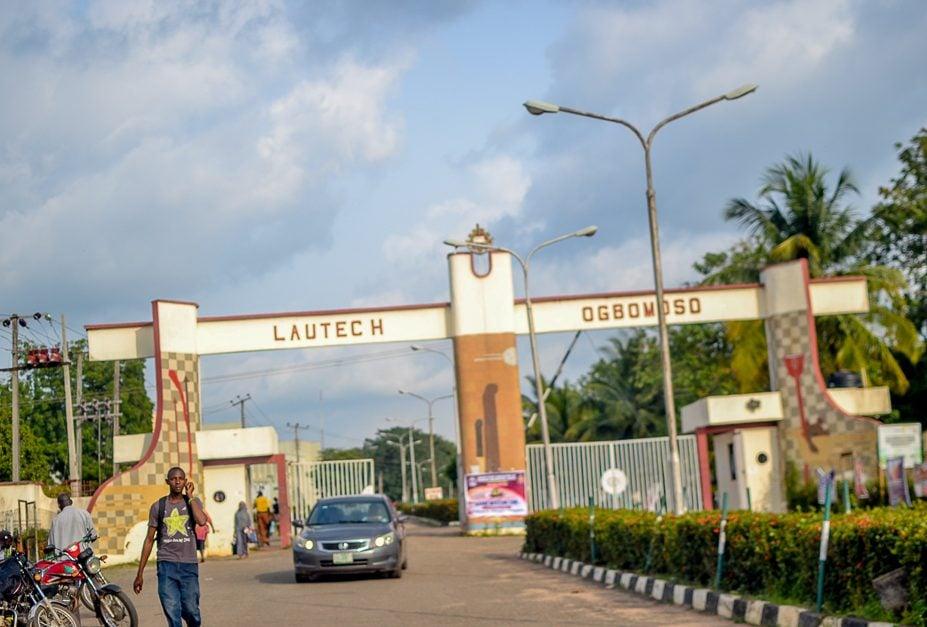
The Iseyin campus of Ladoke Akintola University of Technology has announced a two-week shutdown of all academic activities following the death of a 200-level student in the Department of Agricultural Economics. The student was reportedly struck by a vehicle whose driver fled the scene, sparking grief and student protests across campus.
The university registrar confirmed the tragic incident and expressed deep condolences to the deceased’s family, colleagues and friends. According to institutional sources, the student was involved in traffic on a major road in Iseyin when the accident occurred, and despite being rushed to hospital, he succumbed to his injuries.
News of the fatal crash triggered unrest among students, some of whom staged demonstrations demanding justice, accountability and improved safety measures for students on and off campus. The unrest escalated the urgency for the university’s management to intervene and suspend activities to allow for proper investigation and calm.
In its statement, the university management emphasised that the closure is intended to enable mourning, allow counselling for students and staff, and facilitate coordination with relevant agencies investigating the incident. The statement noted that essential services on campus will continue, but regular lectures and engagements will be on hold during the suspension period.
The institution further urged students to support one another, honour the memory of their departed colleague and remain safe during the break. It appealed to the broader community to assist in locating the driver responsible and to collaborate with security agencies in ensuring that such tragic incidents do not recur.
Local authorities have been reported to have launched investigations into the hit-and-run case, focusing on traffic surveillance, forensic inspection of the scene and possible vehicle tracking. Some student leaders have urged the university and police to go beyond symbolic gestures and ensure that punitive measures are taken against the culprit.
Observers say the incident reflects deeper issues around student safety, road traffic regulation near campus zones, and institutional responsibility for off-campus welfare. They highlight that universities must not only focus on academic quality but also on the physical environment and safety nets available to students.
As the two-week suspension looms, attention will now shift to the university’s next steps: how it handles the investigation, how it engages with affected students and staff, and whether corrective infrastructure or policy changes will follow. The manner in which the institution manages this crisis could have implications for its reputation and the trust of its community.

Leave a comment
Your email address will not be published. Required fields are marked *

