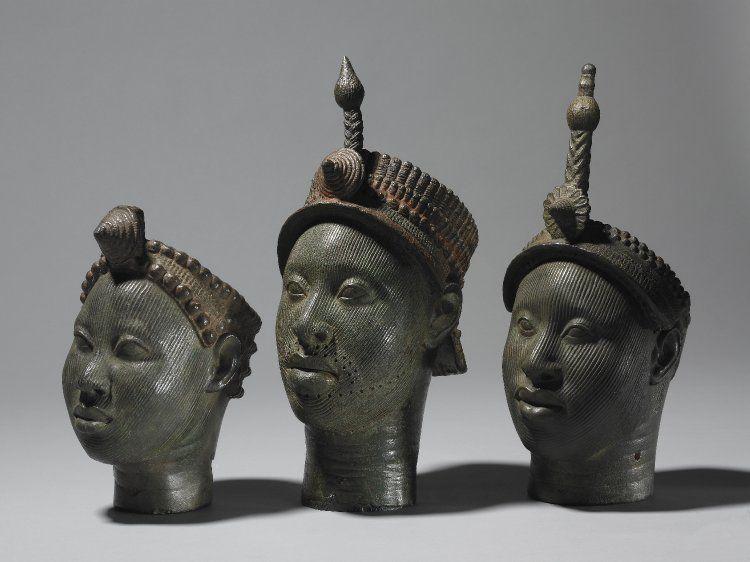
In the rich and complex history of the Oyo Empire, leadership has often been defined by powerful kings, military strength, and long-standing traditions. Yet, one extraordinary figure broke through these expectations and carved her name into history.
Alaafin Orompoto, a woman who rose to rule in the 16th century and redefined authority in Yoruba land.
Her rise to power came at a time when rulership was almost exclusively reserved for men.
As Alaafin, she was expected to command not only the loyalty of her people but also the respect of the Oyomesi, the influential council of chiefs responsible for advising and checking the ruler’s power. For many, her emergence would have been seen as unlikely, even unacceptable.
However, Orompoto did not simply inherit power, she asserted it with boldness, intelligence, and strategy.
One of the most striking aspects of her reign was her deliberate approach to leadership and perception.
Historical accounts suggest that she adopted traditionally male attire, particularly the agbada robe, as a symbol of authority. This decision was not about abandoning her identity, but about understanding the system she was leading within. By aligning herself with established symbols of power, she dismantled resistance and reinforced her legitimacy in a society where leadership was strongly associated with masculinity.
Her impact went far beyond symbolism. Orompoto is credited with strengthening unity within the Oyo Empire, ensuring political stability at a time when internal cohesion was vital.
Oral traditions associate her reign with a period of continued Oyo influence and consolidation. These achievements solidified Oyo’s position as a dominant force in West Africa and demonstrated her capability as an effective ruler.
Equally remarkable was her ability to manage the dynamics of the Oyomesi council. Her success in earning their respect highlights her political skill and deep understanding of leadership. She proved that authority was not granted by gender, but earned through competence, presence, and decisiveness.
Today, Alaafin Orompoto of Oyo empire is remembered as a symbol of courage and transformation. Her story challenges assumptions about the roles of women in pre-colonial African societies and stands as a powerful reminder that leadership has never been confined to one gender. She did not just rule, she redefined the meaning of rule itself.
In a world still grappling with questions of equality and representation, her legacy remains deeply relevant.
So, what does Orompoto’s story teach us about the kind of leaders we choose to follow today?

Leave a comment
Your email address will not be published. Required fields are marked *