The Yoruba people are one of the largest and most culturally rich ethnic groups in Africa. But their origin is more than history. It is a story of identity, belief, and deep-rooted tradition.
The Yoruba, numbering over 40 million people, are indigenous to southwestern Nigeria, as well as parts of Benin and Togo, with a significant diaspora in the Americas.
They are widely recognized as one of the most urbanized pre-colonial African societies, blessed with powerful cities and states that thrived through trade, governance, and cultural development.
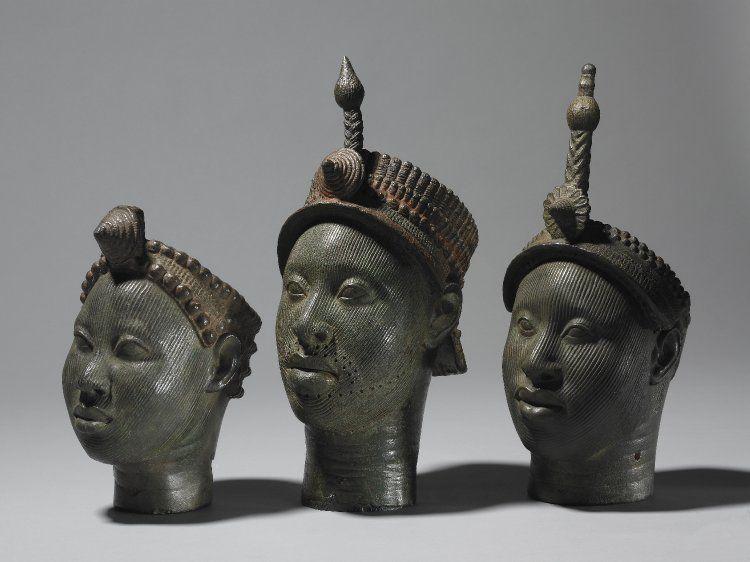
At the center of Yoruba origin is Ile-Ife, which is widely regarded as the spiritual homeland of the Yoruba people. In Yoruba belief, Ile-Ife is not just a city but the very place where creation began, often referred toto as the cradle of Yoruba civilization.
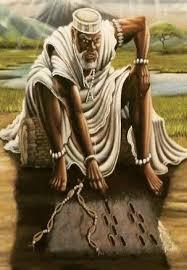
According to Yoruba cosmology, the world was once covered in water. The Supreme Being, Olodumare, assigned Obatala the task of creating solid land. However, Obatala became intoxicated and was unable to complete the mission. His brother, Oduduwa, then took over the responsibility.
Oduduwa descended from heaven with a handful of earth, a five-toed chicken, and a palm nut. He poured the earth onto the water, and the chicken spread it to form land, which became Ile-Ife. Oduduwa later became the first king, known as the Ooni of Ile-Ife, and is regarded as the ancestor of many Yoruba rulers.
Beyond this creation story, there are other perspectives about the origins of the Yoruba people.
Some oral traditions suggest that the Yoruba descended from Lamurudu, a king from Mecca, whose descendants migrated westward after a religious conflict. Another widely discussed theory, recorded by Samuel Johnson in The History of the Yorubas, suggests that the Yoruba people migrated from the East.
Additionally, some scholars have proposed a connection between the Yoruba and the Upper Nile region, pointing to cultural and artistic similarities with ancient Egypt.
From Ile-Ife, the Yoruba heritage spread across different regions, including present day Oyo, Ogun, Osun, Ondo, and Lagos states in Nigeria, as well as parts of Benin Republic and Togo.
Despite these geographical differences, the Yoruba culture have maintained a shared cultural identity, language, and system of values, even as each region developed its own unique traditions.
The origin of this influential culture is not just a story of the past; it is a living legacy that continues to shape identity, culture, and belief systems today. It reminds us of the importance of knowing where we come from and preserving the traditions that define us.
Do you know your Yoruba lineage or hometown history? Share your thoughts in the comments.

Leave a comment
Your email address will not be published. Required fields are marked *