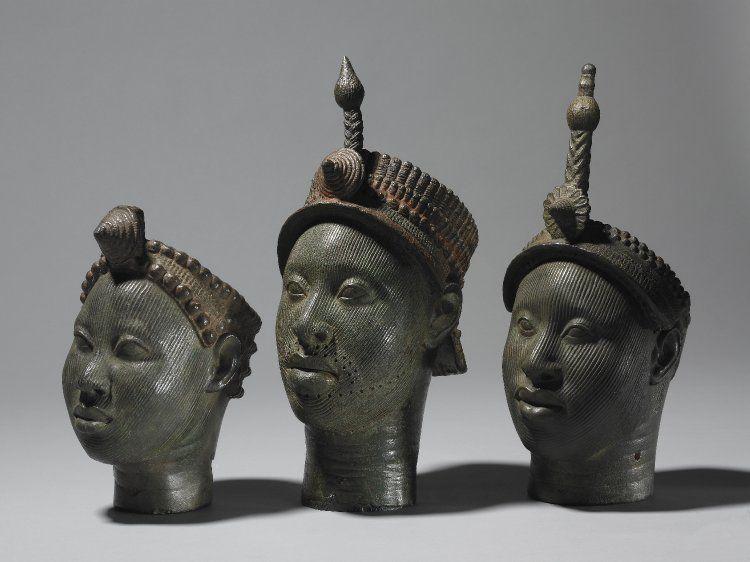
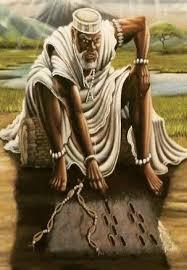
In the annals of Yoruba history, few stories are as striking and dramatic as that of Alaafin Abipa, the ruler who earned the unforgettable title Oba Moro, meaning the king who captured the ghosts.
His reign in the late 16th century was not just about ruling a kingdom, it was about reclaiming authority, confronting betrayal, and proving that intelligence can be more powerful than force.
At the time Abipa rose to power as the fourth and final Alaafin of Oyo Igboho, the empire was already facing uncertainty. The original seat of power had been abandoned due to instability, and the kingdom had settled temporarily elsewhere. Yet, for Abipa, this was unacceptable. Bound by duty and driven by a desire to honor his father’s wish, he declared that the capital must return to Oyo Ajaka, the ancestral home of the throne.
However, while the king spoke with conviction, resistance quietly brewed among the Oyomesi, the powerful council of chiefs. Rather than confront him openly, they chose deception. Knowing that tradition required spiritual rites before relocating the capital, they devised a plan that relied on fear. Each chief sent a disfigured relative, disguised as an ancestral spirit, to the sacred site hoping to interrupt the rituals and make it seem as though the ancestors themselves rejected the king’s decision.
On the night of the sacrifice, the priests journeyed into the darkness to perform the rites. But just as the rituals began, the “ghosts” appeared shouting, protesting, and spreading terror. The priests, overwhelmed and convinced they had encountered restless spirits, fled in fear and returned to the palace with alarming news.
For many rulers, that might have been enough to abandon the plan. But not Abipa.
The truth soon surfaced through Ologbo, the king’s loyal palace singer, who had secretly observed the chiefs’ plot. Instead of reacting in anger, Abipa chose strategy. He summoned the hunters, led by the Oluode, men skilled not just in hunting animals, but in navigating the unseen. Under his command, they tracked down the impostors, captured them, and brought them quietly back to the palace.
Then came the moment that would define his legacy.
The Alaafin invited the Oyomesi chiefs to a grand banquet. They arrived confident, believing their secret remained hidden. But as they ate and drank, something chilling unfolded the same “ghosts” they had sent to the forest appeared before them, calmly serving food. No words. No accusations. Just a silent, undeniable truth standing right in front of them.
In that instant, fear turned into shame.Their plot had failed. Their deception had been exposed.
But the story did not end there. In a desperate move to cover their tracks, the chiefs turned on Ologbo and killed him, the very man who had revealed the truth. His death brought sorrow to the palace, casting a shadow over the king’s victory.
Alaafin Abipa, though triumphant, did not celebrate. Instead, he honored Ologbo with a state burial at Oyo Ajaka, showing that loyalty would never go unrecognized. Faced with their guilt, the Oyomesi chiefs fell before the king, begging for mercy and pledging their allegiance.
In that moment, Abipa did more than win, he restored order, reaffirmed royal authority, and proved that leadership is not just about power, but wisdom, patience, and control.
From that day forward, his name carried a deeper meaning. He was no longer just a king, he was Oba Moro, the ruler who didn’t just confront fear… he captured it.
And even today, his story leaves a lingering question: when faced with deception and betrayal, would today’s leaders respond with anger or with the kind of strategy that turns the truth into its own weapon?

Leave a comment
Your email address will not be published. Required fields are marked *