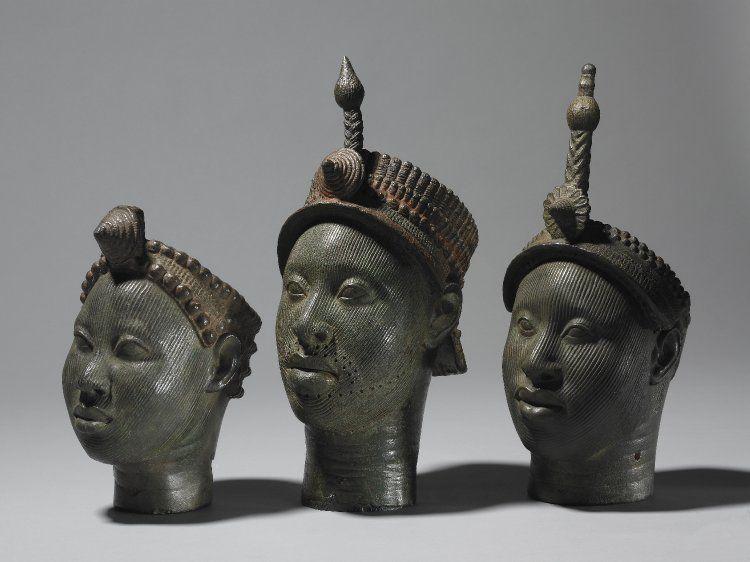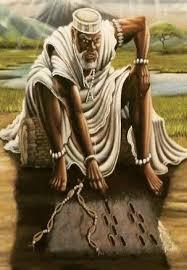
Oranmiyan remains one of the most celebrated figures in Yoruba history, revered as a warrior, prince, and founder of powerful kingdoms. His story, passed down through generations, continues to spark curiosity among historians and cultural enthusiasts alike.
Here are 10 important things to know about Oranmiyan:
1. Son of Oduduwa
Oranmiyan is widely regarded as a son of Oduduwa, the progenitor of the Yoruba people and founder of Ile-Ife, the cradle of Yoruba civilisation.
2. A Prince of Ile-Ife
As a royal prince, Oranmiyan grew up in Ile-Ife, where he was groomed in leadership, warfare, and governance.
3. Founder of Oyo Empire
He is credited with founding the Oyo Empire, which later became one of the most powerful and influential Yoruba states in pre-colonial West Africa.
4. First Alaafin of Oyo
Oranmiyan was the first Alaafin (king) of Oyo, establishing a dynasty that would rule for centuries.
5. Connection to Benin Kingdom
Oranmiyan also played a key role in the history of the Benin Kingdom. He is said to have been invited to rule Benin and fathered Eweka I, who became its first Oba.
6. Warrior Reputation
Known for his bravery and military strength, Oranmiyan led several campaigns and was respected as a fearless warrior.
7. The Oranmiyan Staff
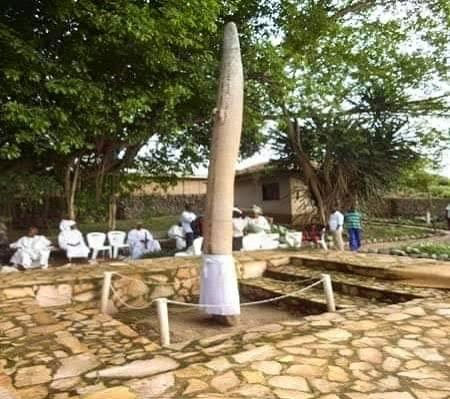
A symbolic monument known as the Oranmiyan Staff still stands in Ile-Ife today, believed to mark his legacy and presence in the city.
8. A Short Reign in Benin
Though he briefly ruled in Benin, Oranmiyan reportedly found the environment unconducive and returned to Ile-Ife, leaving behind a lasting royal lineage.
9. Cultural Icon
Beyond politics and warfare, Oranmiyan is a cultural symbol of unity, strength, and royal heritage among the Yoruba people.
10. Legacy Across Generations
His descendants continued to rule major kingdoms, ensuring his influence extended across regions and generations.
Oranmiyan’s story sits at the intersection of history and legend, but his impact is undeniable. From the rise of the Oyo Empire to the royal lineage of Benin, his legacy continues to echo through time, shaping identity, tradition, and leadership in parts of Nigeria and beyond.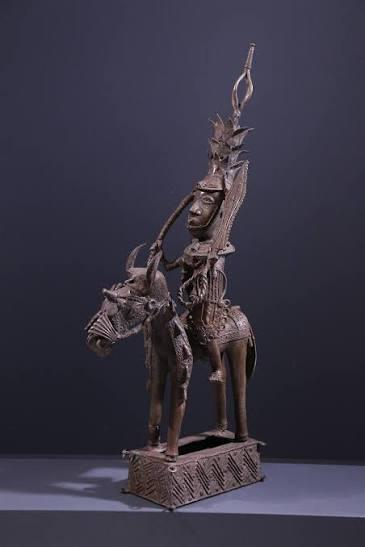

Leave a comment
Your email address will not be published. Required fields are marked *