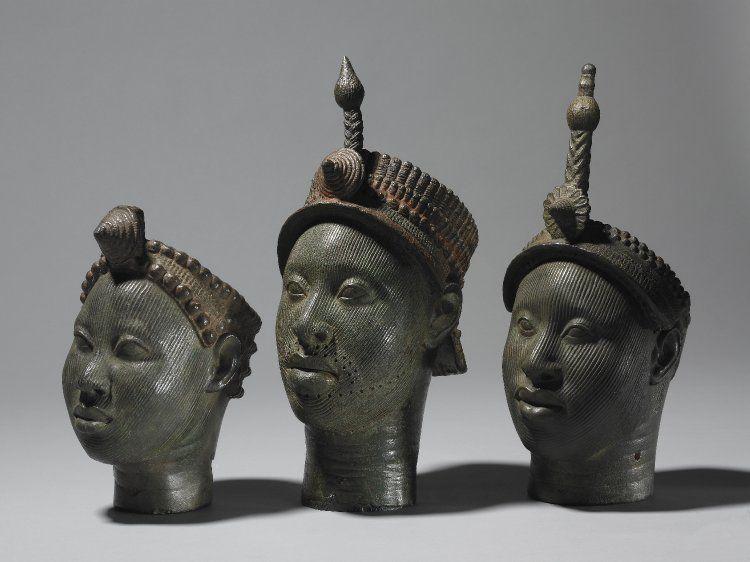
The Yoruba people are one of Africa’s most culturally rich and globally influential ethnic groups, known for a lifestyle that blends tradition, pride, creativity, and deep values. From Nigeria to the diaspora in Brazil, Cuba, and beyond, Yoruba identity continues to leave a powerful mark on the world. What makes them so special is not just one thing, but a combination of heritage, values, art, and everyday living that feels both timeless and dynamic.
One of the most striking things about the Yoruba people is their rich cultural heritage. Their history is deeply rooted in centuries-old kingdoms, traditions, and oral histories that are still alive today. Culture is not treated as something in the past, it is actively practiced through festivals, ceremonies, and daily customs that connect generations.
Food is another area where Yoruba culture shines brightly. Meals like amala with ewedu soup, pounded yam with rich soups, and jollof rice are more than just dishes, they are experiences. Yoruba cuisine is bold, flavorful, and deeply satisfying, often prepared with a sense of community where food brings people together.
Fashion is equally expressive. Yoruba attire, especially aso-oke and beautifully tied gele, reflects elegance, identity, and pride. Dressing is often more than personal style, it is a cultural statement. Whether at weddings, naming ceremonies, or festivals, Yoruba fashion always stands out with royalty-like presence.
At the heart of Yoruba society is the powerful concept of Omoluabi, which represents good character. Respect, honesty, responsibility, and humility are highly valued traits. This moral foundation shapes how individuals are raised and how they interact within their communities, especially with elders and authority.
The traditional kingship system also remains highly respected. Yoruba Obas are not just symbolic figures; they are cultural leaders who preserve history, settle disputes, and maintain spiritual and traditional balance within their communities. Their presence reinforces a strong sense of identity and continuity.
Yoruba influence in music and entertainment is undeniable. From traditional talking drums to modern Afrobeats dominating global charts, Yoruba creativity has helped shape the sound of African entertainment. Many top artists draw inspiration from Yoruba rhythms, language, and storytelling traditions.
Spirituality is another deeply rooted aspect of Yoruba life. Whether through traditional beliefs like Ifá or through other religions practiced today, spirituality is woven into daily living. It reflects a worldview that respects unseen forces, ancestors, and the balance of life.
The Yoruba language itself is unique and musical. It is tonal, meaning the way a word is spoken can completely change its meaning. This gives the language a rhythmic quality that many describe as poetic and expressive.
Festivals are another vibrant expression of Yoruba culture. Events like Osun-Osogbo and Ojude Oba attract thousands of people, showcasing colorful attire, music, dance, and deep cultural pride. These celebrations are not only entertainment but also spiritual and historical gatherings.
Beyond culture and tradition, the Yoruba people are widely known for their strong entrepreneurial spirit. From bustling markets to international businesses, they are often associated with trade, innovation, and the ability to thrive in diverse economic environments.
Family structure is also very important. The extended family system ensures that individuals grow up with strong support networks, shared responsibilities, and a deep sense of belonging. Unity and collective care are central values.
Yoruba storytelling is another powerful tradition. Proverbs, folktales, and oral history are used to teach lessons, preserve wisdom, and entertain. These stories often carry deep meanings that reflect life, morality, and human behavior.
Hospitality is another defining trait. Visitors are typically welcomed warmly, often with food and genuine kindness. In many Yoruba homes, guests are treated with a level of respect that reflects cultural pride and generosity.
Finally, Yoruba culture has had a global impact that extends far beyond Africa. Through history, migration, and cultural exchange, Yoruba traditions have influenced music, religion, language, and identity in parts of the Americas and the Caribbean.
In the end, what makes the Yoruba people special is not just one quality, but a powerful blend of tradition, creativity, resilience, and cultural pride that continues to thrive in a modern world.

Leave a comment
Your email address will not be published. Required fields are marked *