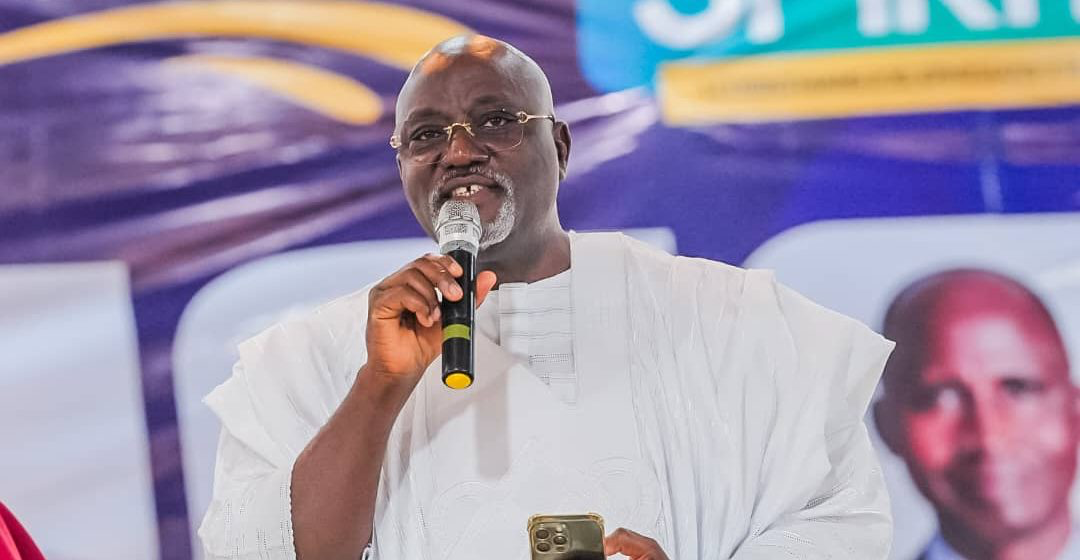
The Nigerian Institution of Environmental Engineers has formally called upon the Federal Government to integrate alternative energy solutions as the primary driver for the nation's burgeoning blue economy. This recommendation was the focal point of discussions at the institution's 2025 National Conference and Annual General Meeting, held in Ibadan, Oyo State. The gathering of experts underscored that the sustainable exploitation of marine resources is contingent upon a shift away from traditional fossil fuels, which currently dominate the sector. By adopting cleaner energy, the country stands to not only protect its aquatic ecosystems but also to significantly boost national productivity through efficient resource management.
Nureni Ogunyemi, the Chairman of the institution, articulated the urgency of this transition during the conference. He commended the current administration's efforts in establishing decarbonization strategies but insisted that more aggressive steps are required to fully tap into the "water economy." Ogunyemi noted that Nigeria is naturally endowed with vast resources—land, water, and sky—that remain underutilized due to a lack of innovative engineering applications. He posited that the role of environmental engineers is to align technical expertise with government policy, creating a synergy that can unlock new economic frontiers while adhering to global health, safety, and environmental standards.
The discourse at the conference highlighted the critical intersection between energy policy and maritime operations. Stephen Adesola, a prominent environmental and energy expert, pointed out that while the government has made strides—such as the recent unveiling of a maritime carbon emission tracking system at COP30 in Brazil—the pace of implementation needs to accelerate. He referenced the ambitious guidelines set by the International Maritime Organization (IMO), which mandate significant reductions in greenhouse gas emissions from ships. Adesola argued that meeting these international benchmarks requires a domestic revolution in how the maritime sector is powered, moving beyond rhetoric to the practical deployment of alternative energy infrastructure.
A key area of opportunity identified by the experts is Nigeria's substantial gas reserves, estimated at over 200 trillion cubic feet. While often categorized as a transition fuel, gas offers a cleaner alternative to heavy marine oil and diesel. However, the engineers argued for a broader energy mix that eventually incorporates renewables such as solar and wind, particularly for coastal infrastructure. The consensus was that policymakers and technical experts must move beyond "walking the talk" individually and instead foster a collaborative ecosystem where policy frameworks directly support engineering innovations. This collaboration is seen as the missing link in transforming the blue economy from a concept into a tangible engine of growth.
Pollution control remains a significant hurdle in this economic transition. Dr. Kolawole Adisa, the Head of the Department of Civil Engineering at the University of Lagos, drew attention to the alarming levels of waste in the country's waterways. He identified the low recycling rate as a systemic failure that threatens the viability of the blue economy. Adisa revealed that academic institutions are currently working with government bodies to develop technical documents aimed at converting plastic waste into economically valuable products. This "waste-to-wealth" approach is presented not just as an environmental necessity, but as a profitable component of the blue economy itself.
The conference also served as a platform to review the institutional growth of the engineering body. Chairman Ogunyemi highlighted recent administrative milestones, including the acquisition of a resource technology center that now serves as the national secretariat. This infrastructural development creates a centralized hub for research and advocacy, allowing the institution to better coordinate its inputs into national policy. The ability of the engineers to organize and institutionalize their operations is viewed as a prerequisite for them to effectively advise the government on complex issues like energy transition.
Furthermore, the event recognized the contributions of individual members through the conferment of fellowship awards. These accolades serve to incentivize excellence within the profession, encouraging engineers to dedicate their careers to solving the unique environmental challenges facing Nigeria. By elevating the status of those who have made significant contributions, the institution hopes to inspire a new generation of professionals who are equipped to handle the technical demands of a green blue economy.
Ultimately, the message from Ibadan is clear: the future of Nigeria's maritime prosperity is inextricably linked to its energy choices. As the global economy pivots toward sustainability, Nigeria cannot afford to power its blue economy with the dirty energy of the past. The engineers have laid out a roadmap that combines resource diversification, pollution control, and stakeholder collaboration. It now rests on the Federal Government to operationalize these recommendations, turning the vast potential of the country's waters into a sustainable reality for future generations.

Leave a comment
Your email address will not be published. Required fields are marked *