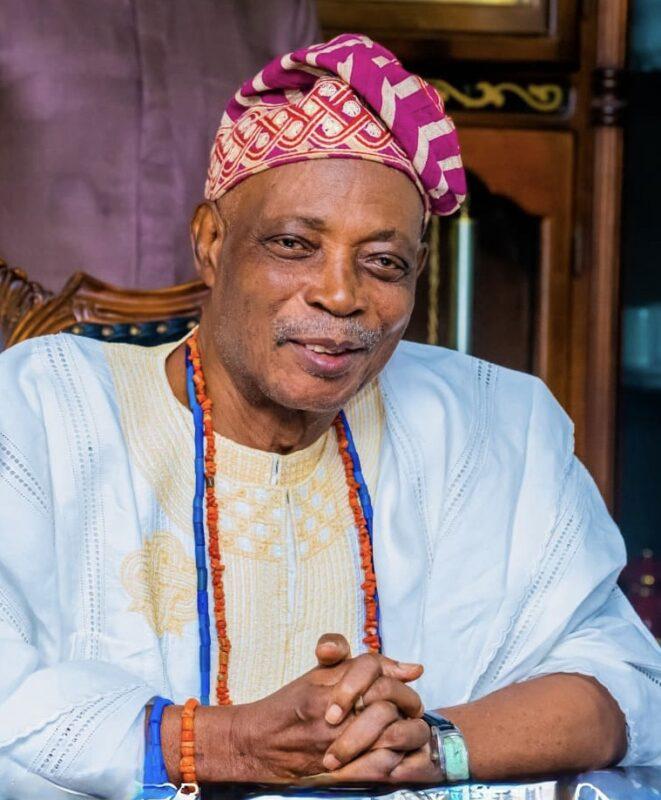
After patiently climbing the rungs of Ibadan’s unique 22-step chieftaincy ladder, the former governor and current Otun Olubadan now stands at the brink of history.
To many indigenes, this moment represents more than one man’s triumph; it is the closing of a long circle. Ladoja’s life has been defined by resilience—shaped as much by setbacks as by successes. From a boy who once dropped out of Ibadan Boys’ High School because his parents could not afford boarding fees, he fought his way back to education, excelling at Olivet Heights and later securing scholarships to study Chemical Engineering at the University of Liège in Belgium.
On returning to Nigeria, he joined Total Nigeria, where he rose through the ranks over 13 years before venturing into private business in 1985. His entrepreneurial success in shipping, agriculture, and banking paved the way for a political career that would place him at the centre of Oyo politics for decades.
Elected governor in 2003 under the PDP, Ladoja soon clashed with his political benefactor, the late Lamidi Adedibu, sparking one of the fiercest rivalries in Ibadan’s history. That feud culminated in his impeachment in 2006, a move later overturned by the courts in a landmark decision that restored him to office. Though he never regained the governorship in subsequent attempts, his influence endured, most notably when he spearheaded the coalition that brought Governor Seyi Makinde to power in 2019.
Unlike politics, Ibadan’s monarchy is not won through intrigue but by patience and seniority. Ladoja began his traditional journey in the 1980s as Mogaji of the Ladoja family and became Jagun Olubadan in 1993. Over the years, he steadily advanced through each rank until he attained the position of Otun Olubadan in 2021, placing him second only to the throne. With the passing of Oba Lekan Balogun, the succession line has now turned to him.
Today, at 81, Rashidi Adewolu Ladoja stands only a heartbeat away from becoming Olubadan; a destiny decades in the making, defined not by wealth or politics, but by Ibadan’s enduring tradition of patience and resilience.
Leave a comment
Your email address will not be published. Required fields are marked *