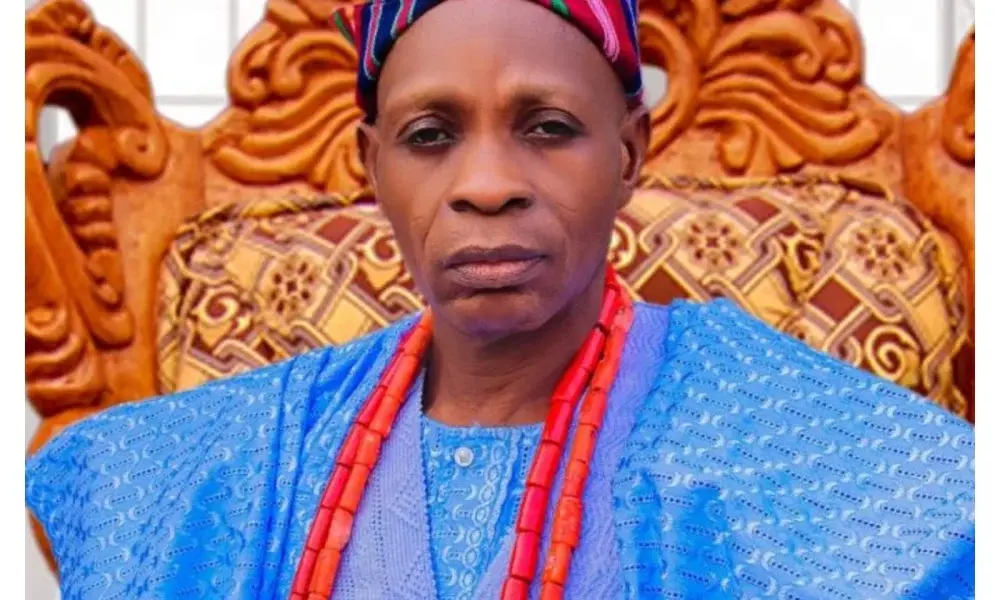
Tensions within the traditional institution of Oyo State have flared following a public rebuke issued by the collective leadership of Ibadanland against the Alaafin of Oyo, Oba Akeem Abimbola Owoade. In a joint statement released on Tuesday, the Mogajis (family heads), the Central Council of Ibadan Indigenes (CCII), and other prominent monarchs warned the Oyo monarch against any actions perceived as disrespecting the Olubadan of Ibadanland, Oba Rashidi Adewolu Ladoja. The warning underscores a deepening rift over traditional hierarchy and protocol, signaling that the people of Ibadan are prepared to vigorously defend the dignity of their stool against any form of external diminution.
The immediate catalyst for this confrontation was a controversial sitting arrangement at a recent security meeting held in Ibadan. According to reports, a representative of the Alaafin was positioned in a manner that stakeholders felt undermined the status of the Olubadan, who was physically present. This breach of protocol was interpreted not merely as an administrative oversight but as a calculated attempt to ridicule the Ibadan throne. The stakeholders expressed outrage that a representative would be accorded a prominence that rivaled or challenged the sitting monarch of the state capital, describing the incident as an unacceptable affront to the city's heritage.
In a strongly worded communique signed by Mogaji Asimiyu Ariori, President of the Ibadan Mogajis, and Mogaji Dr. Nurudeen Akinade, Coordinator of the Ibadan Compound Peace Initiative (ICPI), the group declared that "Ibadan will never be a slave to anyone." They reiterated that the ancient city has always maintained its dignity within the Yoruba traditional system and will not tolerate any attempts to treat it as a subordinate entity to Oyo or any other town. The statement emphasized that the era of supremacy battles should be over, particularly given the settled status of the chairmanship of the Oyo State Council of Obas and Chiefs.
The stakeholders further highlighted the personal stature of the current Olubadan, Oba Rashidi Ladoja, to reinforce their demand for respect. As a former Senator and Governor of Oyo State, Oba Ladoja brings a unique blend of political and traditional authority to the throne. The leaders argued that insulting a monarch of such pedigree is an insult to the entire populace of Ibadanland. They called upon opinion leaders and elders across Yorubaland to intervene and caution the Alaafin, warning that the peaceful disposition of Ibadan people should not be mistaken for weakness or cowardice.
This friction touches on historical sensitivities regarding the relationship between the Alaafin stool and other monarchs in the region. While the Alaafin historically holds a revered position in the Oyo Empire, the rise of Ibadan as a military and political powerhouse in the 19th century created a distinct balance of power that continues to define modern relations. The Ibadan leaders made it clear that they view their city as an independent powerhouse that does not owe allegiance to the dictates of Oyo town, thereby drawing a firm line in the sand regarding future engagements.
The statement concluded with the traditional assertion, "Ibadan mesi, won o go" (Ibadan has spoken, we won't go back), signifying an unwavering resolve to protect the sanctity of their institutions. The collective voice of the Mogajis, CCII, and Baales represents a unified front, suggesting that any further perceived slights will be met with a coordinated and forceful response from the Ibadan socio-cultural machinery. As the situation unfolds, observers will be watching to see if this public admonition leads to a de-escalation or further entrenchment of positions between the two premier traditional councils.
Ultimately, this development serves as a reminder of the fragility of peace within the traditional council when protocols of respect are ignored. By publicly calling out the Alaafin, Ibadan stakeholders are demanding a recalibration of relationships based on mutual respect and the recognition of current realities, rather than reliance on perceived historical hierarchies that no longer hold sway in a modern democratic setting.

Leave a comment
Your email address will not be published. Required fields are marked *