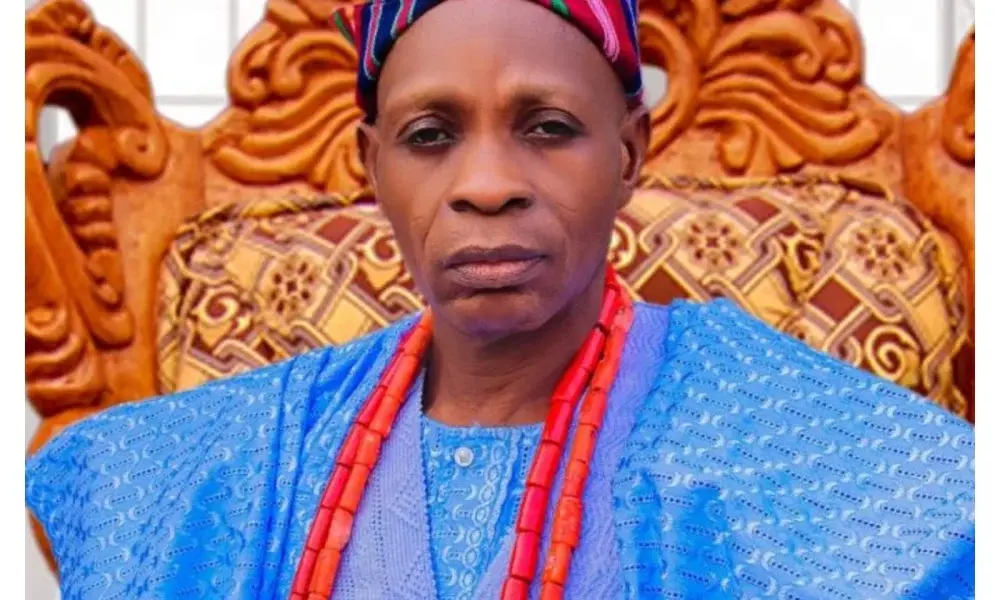
The burial of the late Sikiru Kayode Adetona, the 44th Awujale of Ijebuland, according to Islamic rites rather than the customary traditional practices, has ignited a rift within the ranks of Yoruba monarchs, elders, and traditionalists. The controversy has elevated the debate from one of ritual preference to a broader conflict over identity, heritage, faith and modernity.
Oba Adetona, who reigned for 65 years, died on 13 July 2025, and was interred the following day at his private residence in Ogbagba, IjebuOde. Though a respected monarch, his final rites — prayed over by the Chief Imam of Ijebuland and carried out under tight security — excluded the traditional Osugbo lodge and other hereditary ritual groups, stirring deep concerns among devotees of the old system.
Among the voices calling for change was Abdulrasheed Adewale Akanbi, the Oluwo of Iwoland, Osun State, who declared the burial a “victory for Yoruba dignity.” He praised the exclusion of what he described as “butchering like animals” and insisted that monarchs must have the freedom to decide their burial style. “Kings are servants of their people, honourable men who must be honoured even in death,” he said.
On the other side, traditionalists expressed anger and dismay. Ifarotimi Adifagbola Balogun, Oba Isese of Ogun State, condemned the process as an assault on Yoruba cultural heritage, arguing that the abandonment of ancestral burial rites stripped monarchs of their spiritual legitimacy. He described the exclusion of Isese (traditional religion) ceremonies from the Awujale’s funeral as intolerable and warned of legal action if cultural erosion persists.
Other prominent royals weighed in. For example, Aladetoyinbo Aladelusi, the Deji of Akureland, insisted that traditional rulers who abandon Yoruba customs for foreign religions should not occupy the throne. Meanwhile, Ajibade Ogunoye III, the Olowo of Owo, echoed this warning by saying anyone unwilling to uphold the stool’s customs ought not to accept it. He said, “If you want to be an Oba, be ready to live by the traditions.”
The legal and cultural issues are stacked. Some argue that the monarch has a constitutional right to choose how he is buried. In Ogun State, the “Obas and Chiefs Law 2021” explicitly grants traditional rulers the right to be interred according to their personal religious beliefs and prohibits mutilation or human sacrifices. Yet, others contend that by becoming monarch, one implicitly accepts the responsibilities and rituals of the stool, making unilateral departure from tradition problematic.
For many Yoruba communities, the dispute is not merely about religious choice — it reflects a deeper question: Can modern identities and faith commitments coexist with centuries-old customs? And if tradition changes or is abandoned, what happens to the authority and spiritual standing of a throne?
In homes across Yorubaland the debate rages: some see the change as progression and liberation from cultic practices, while others view it as cultural capitulation and an erosion of identity. As the dust settles, the institutions of chieftaincy, ritual societies, and faith-based groups will each look to assert their vision of what it means to be a Yoruba king in the 21st century.

Leave a comment
Your email address will not be published. Required fields are marked *